Video Content Strategy: How to Build One That Actually Works

Video Content Strategy, Unless you have ever wasted hours of your life creating a video and then seeing it go through the algorithm to get 47 views and then die, you are already aware of the issue. It is not that video does not work – it does, indeed. It is because the majority of individuals do not have a plan of doing it. They simply create things and wish.
I have observed this trend over and over again, when it comes to dealing with small business owners, creators of content, or a middle-sized brand interested in promoting themselves online. The video winners are always not necessarily the ones who have the best cameras, or the largest budgets. It is them who are aware of the reasons behind each video being made, who it is being made, and how it fits into the wider context.
Begin the “Why” Before the “What.”
Prior to considering formats, platforms, or equipment, brutally honest question: what do you want video to do to your business or brand?
This may sound very self-evident; however, the majority of people omit it. They watch the competitors uploading Reels or YouTube videos and get into it without understanding. The result? Random material that does not lead to any construction.
The objectives of your video could be:
- Increasing traffic to a landing page or web site.
Developing brand recognition among new audience.
Training current customers in order to minimize churn.
Building a thought leadership in your business.
Developing leads or face-to-face sales.
All these will have to be approached differently. A product tutorial bears no resemblance with a brand awareness video. A series of thought leaderships dwells somewhere different compared to a sales-oriented advertisement. Having a goal gives you clarity, and all the decisions that follow are based on the clarity of your goal.
Get to know your audience, better than they know themselves.
The generic contents produce the generic results. The creators and brands I have observed are video dominant are all similar in their approach: they are nearly unnaturally specific as to their intended audience.
Get to the very heart of the pain of your audience, not merely demographics. The video requirements of a 35-year-old marketing manager of a SaaS company are not the same as those of a 35-year-old freelance designer- although these two are technically the same age bracket.
Discuss with your customers. Read comment sections. Check Reddit threads. See what questions are repeatedly mentioned in your niche. These are not research workouts, but rather your content calendar. All real questions your audience is interested in are also a possible video to be created.
Select the Platforms, not Popularity.
One of the pitfalls is to attempt to be everywhere and at the same time. You don’t need to. You have to be where your particular audience is and is mindset to consume your content.
This is a crude calculation that nevertheless applies

Youtube is still the leader in long-form, searchable video. YouTube is frequently visited by someone who wants to know how to do something or do some research on a decision. This platform favors richness, uniformity and powerful SEO in the titles and descriptions.
In Instagram Reels and Tik Tok, short and energetic content with powerful hooks within the first two seconds are preferred. Discoverability is great, but retention is mercilessly forthright – individuals scroll as soon as they get bored.
Consider in three buckets:
- Awareness content is delivered to individuals that are not familiar with you. Consider trending topics in your industry, general educational video content or captivating stories that make people welcome.
- Consideration content addresses individuals that are aware of you but uncommitted. Free comparisons, case studies, behind-the-scenes, and more in-depth tutorials are found here.
- Conversion content targets individuals who are willing to take action – product demonstrations, testimonials, special offers or powerful calls to action.
Most brands allocate excessive funds on one of the buckets and ignore the rest. When you are the sole one posting conversion content, it means that you are always selling to a cold audience. When you share awareness content, you do not ever get anyone to action.
Perfection is Consistency Beats Every Single Time.
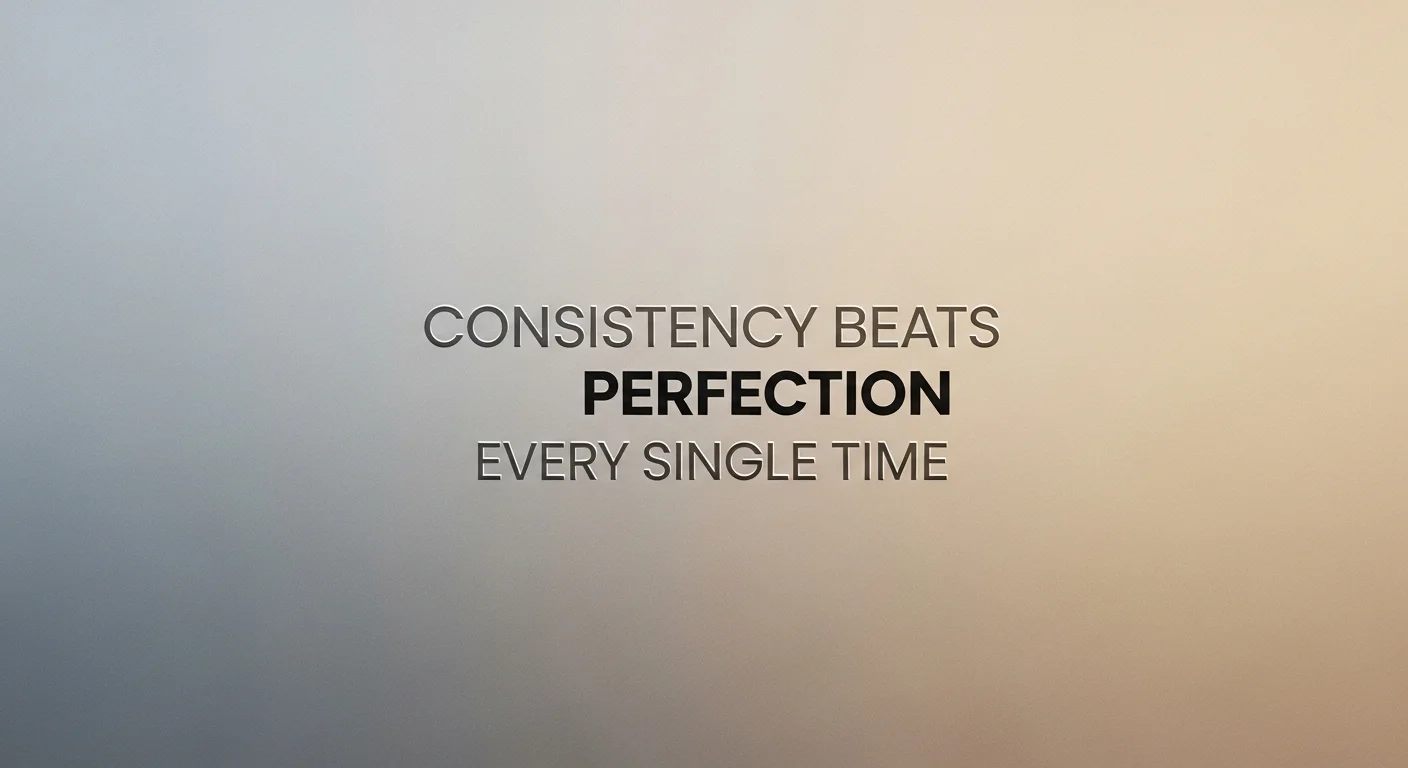
I can’t stress this enough. Growing brands that are video are not necessarily the ones that are more cinematic-produced – they are the ones that appear repeatedly.
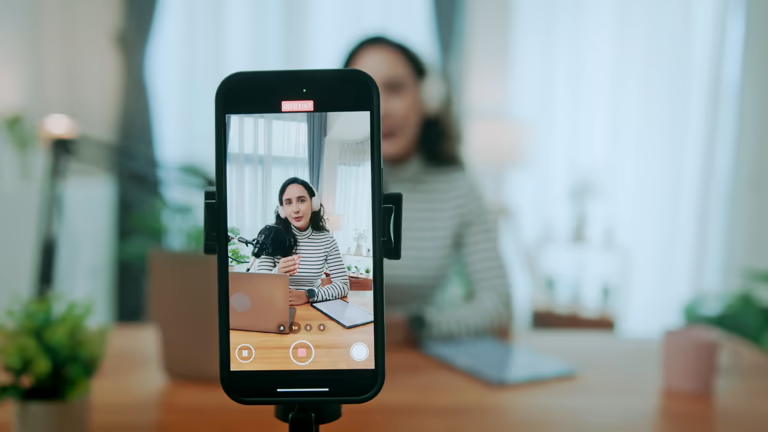
It is quite alright to begin with a smartphone and good lighting. The thing is to create a certain flow that your audience will rely on. People will become interested when they learn that you post every Tuesday. It is more of a habit-forming thing than any one viral video.
It is possible to batch your content. Video record several times during a session and separate releases. This lessens the burden of creativity whereby one is always online and is expected to be available on his channel.
Examine What Is Working and Modify.
Measured Strategy is Guesswork. When you are one or two months into your regular postings, have a good look at your analytics.
Look at:
- Watch time and retention rate – at what point do people drop out?
Click-through rates on the thumbnails/titles- are people clicking them?
Engagement rate – are individuals commenting, sharing, saving?
Conversion activities – are they moving to the next stage you desired?
Don’t give up on your plan, refine it with this data. When a particular format always works better, then lean towards it. When some of the subjects in the discussion raise some conversation and others are left unaddressed, then this is what your audience is trying to communicate to you.
Frequent questions: Video Content Strategy.
Q: How frequently would you post videos?
It is consistency rather than frequency that is important. One week per week is sustainable and effective to the majority of creators; twice a week, should you be able to keep quality.
Q: Am I required to require costly equipment to begin with?
No. The presence of a good smartphone that has bright light and clear sound suffices to create an audience. Expand equipment as need be.
Q: What duration of videos should I have?
Length of match to platform and purpose. YouTube tutorials should take between 8-15 minutes; Reels and Tik Toks should take less than 60-90 seconds.
Q: When will I get the results of video content?
In reality, it will take 3-6 months of an everyday effort before one can make significant conclusions. Video is a game of long duration.
Q: Is it necessary to use repurposed content across platforms?
Surely, however, make it suit each platform and culture instead of publishing the same content everywhere.

Post Comment