Influencer Marketing Media: How Brands Are Really Using It in 2024
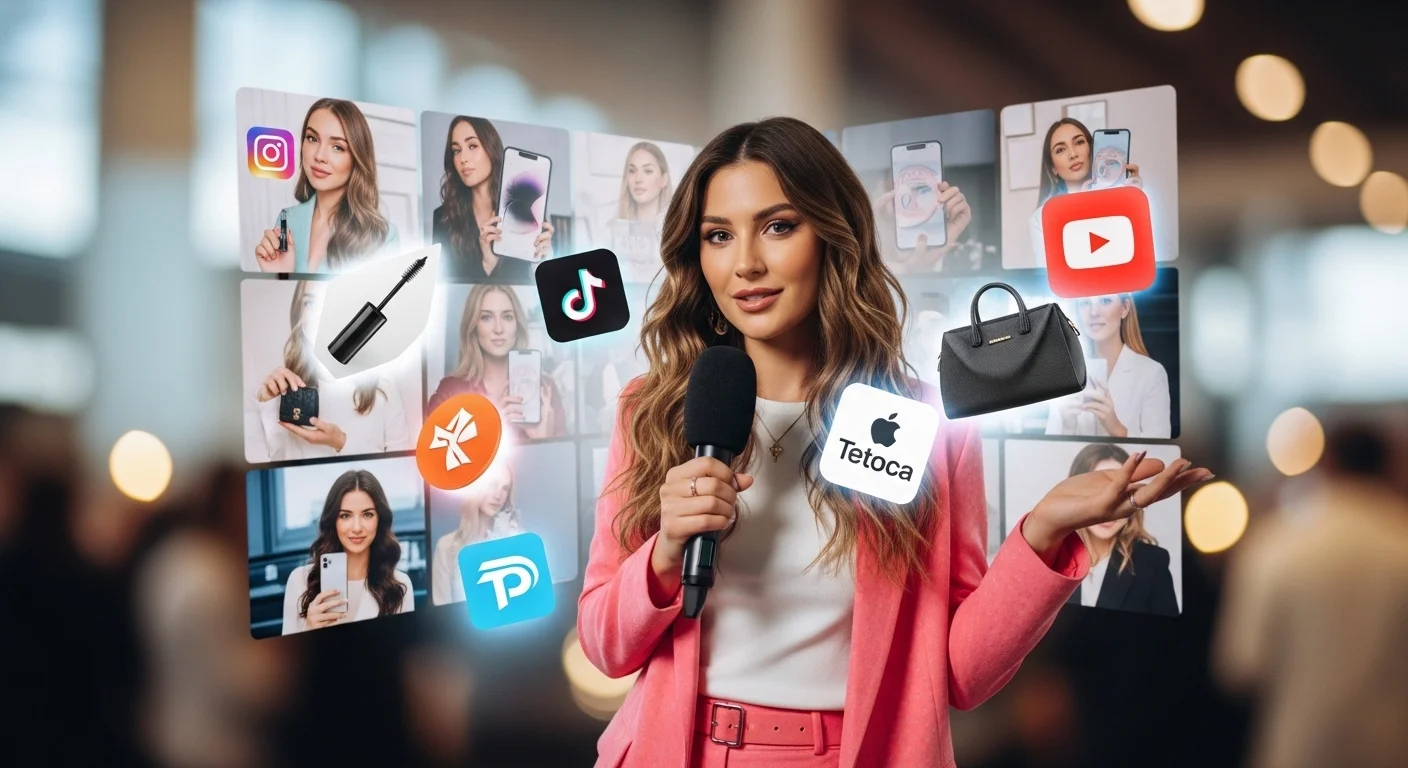
Influencer Marketing Media, Had you informed a marketing director in 2010 that one day he or she would be giving up a piece of his or her annual budget to someone who records a video of themselves eating breakfast or playing with computer chairs, they would have laughed you out of the room. Jump to the present, and influencer marketing has turned into one of the most important foundations of the contemporary media strategy not only a fad, but a valid, quantifiable medium that is transforming the way a brand addresses real people.
I have worked closely with brands that have been in this space over years, and have seen campaigns work miraculously and, in some instances, fail miserably. The reality of influencer marketing media is that it is much subtler than the majority of the articles suggest.
The true meaning of Influencer marketing Media.
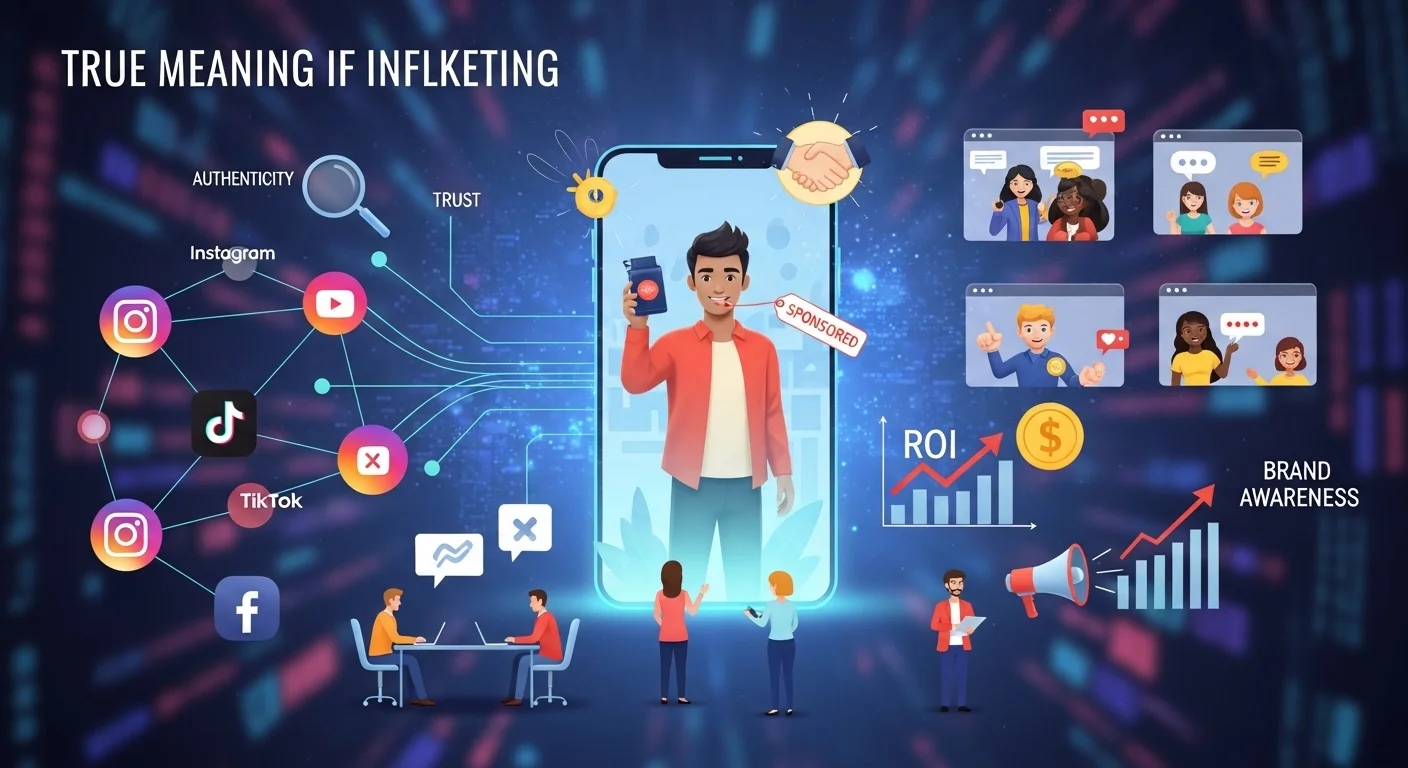
There is one thing that we should clear up. The influencer marketing media is not simply about contracting somebody with a million followers on Instagram. It is a larger ecosystem- one that encompasses the platforms that exist where content resides, those creators who make it, the strategies brands employ to mobilize them and the media formats that deliver the message.
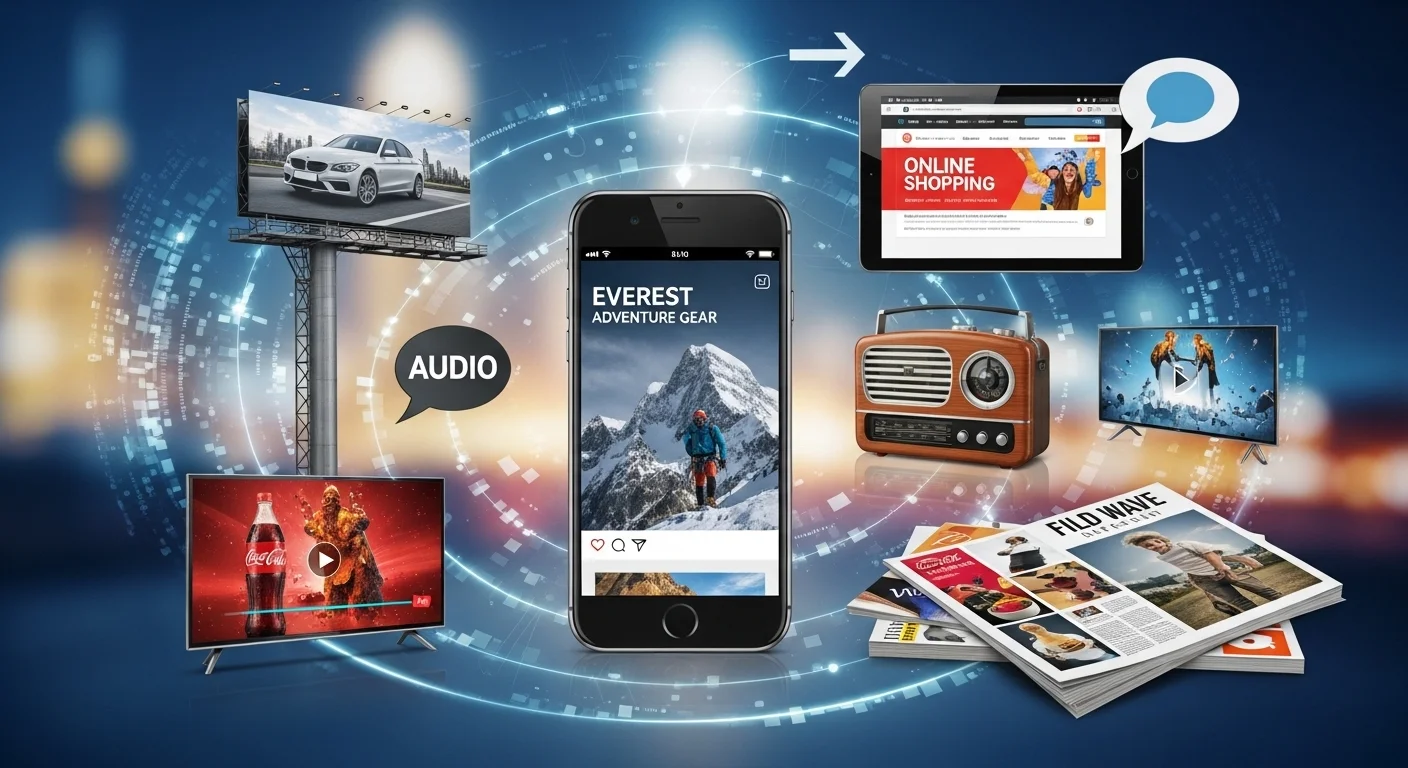
Imagine that it is a channel in a channel. You have traditional media TV, print, radio, and you have digital media, and within that, you have influencer media: creator-driven content on social platforms, which acts like earned media, paid media and organic content simultaneously. It is precisely such a hybrid nature that makes it strong, and complex.
The Position of the Landscape Has Changed.
Instagram has been the unchallenged influencer content a few years ago. That remains to some extent, however, the map is redrawn. Tik Tok disrupted this model by basing its success on the content discovered and number of followers, so that a creator with 8,000 followers outperformed one with 800,000 followers in case the algorithm favored their content. The most formidable long-form influence platform is still YouTube, where product reviews, tutorials, as well as deep-dive content, that actually influences buying behavior, occur.
Pinterest has sneakily become useful to home decor, food and lifestyle brands. LinkedIn has a new culture of influencers, especially when it comes to B2B businesses attempting to connect with decision-makers via thought leadership. And podcasts – rarely discussed as influencers – also have their own creator economy in which a host referral has a supernormal level of trust.
Micro-Influencers Continue to Triumph, Here is Why.
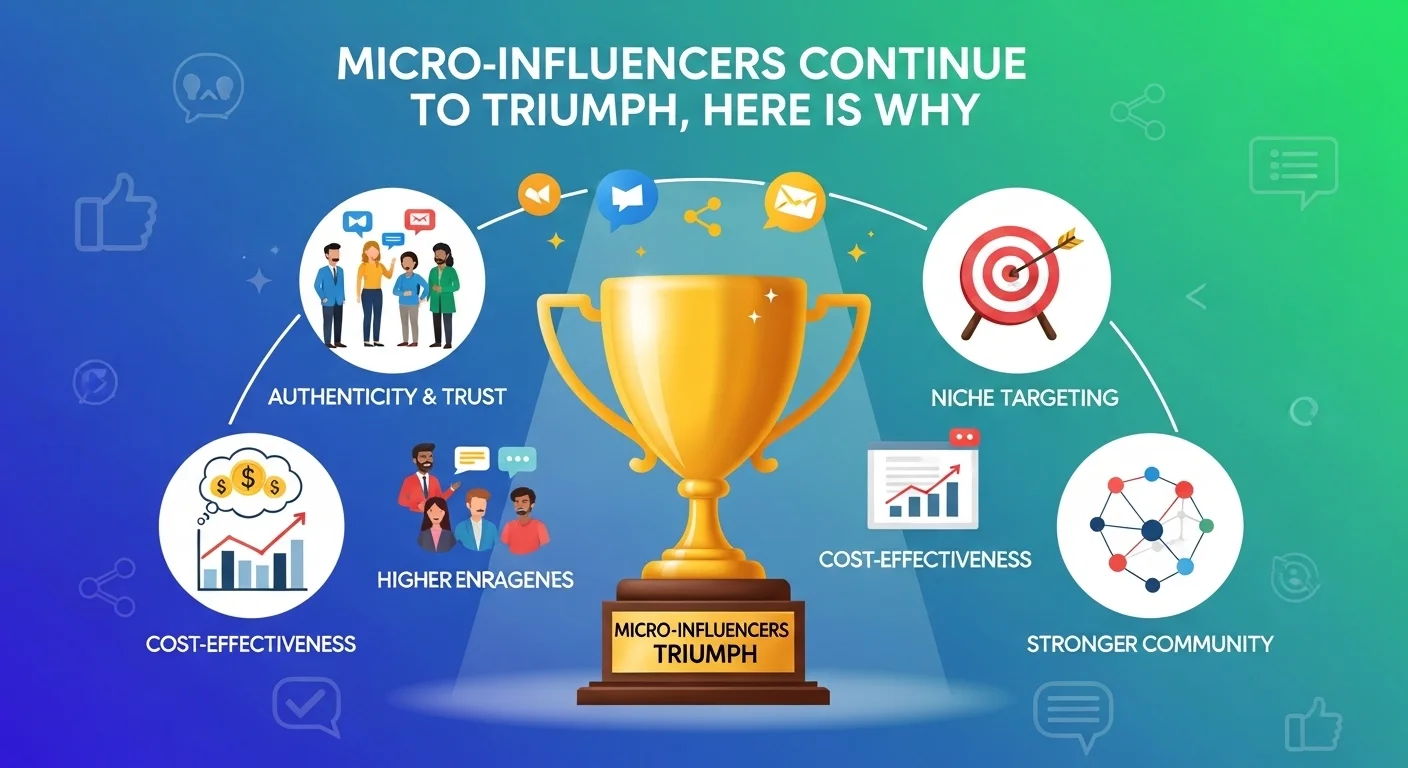
The most recurrent discovery of a campaign I have witnessed to be analyzed is that micro-influencers (with between 10,000 and 100,000 followers) is a more effective engagement-giver and provides a more natural reaction of the audience than mega-influencers in most fields.
It is an intuitive thing to do. When you follow someone that has 5 million followers, you are sure he or she is paid to post. Their recommendations to a skincare product which the person has 40,000 very loyal followers will be taken differently by their audience. The interaction between the creator and the audience is closer, more trustful.
Authenticity vs. Control over the Content: The Timeless Dilemma.
The trick is that here is where a brand will have to grapple with sooner or later: you need authenticity of the influencer to sound, and at the same time, you need your message to land. These two are the two goals that are usually at cross purposes.
The most poorly performing content of influencers is usually too scripted, unnatural, and clearly controlled. Corporate briefs are odorous and can be sensed even miles away. The most entertaining is when the producer truly incorporates a product into his or her existing narration, he or she feels it is natural, as far as it is, or at least it is very close to it.
The new best practice is toward providing creators with a clear brief that has non-negotiables (legal disclosures, certain claims not to make, core product benefits to mention) but leaving the actual performance to creators. Do not yield to the temptation of sending all the words by. Although the rationale of that instinct is comprehensible on the brand safety grounds, it is in fact, the death sentence to the effectiveness of the campaign.
Measurement Has yet to Mature.
Part of the authentic disappointments of the influencer marketing media is the issue of measurement. Reach and impressions can be easily monitored. However, to a particular influencer campaign, it can be assigned the actual sales, the brand-lift and the long-term perception changes? That’s still messy.
There is an enhanced industry. Measurement has been made more credible with UTM links, unique discount codes, platform-specific conversion tracking and brand lift studies using third party tools. However, anyone who tells you that influencer attribution is an easy nut to crack is selling it. There remains a lot of dark social – people who viewed a post, visited and Googled the brand and made a purchase.
There are No Such Things as Legal and Ethical Obligations.
The requirements to disclosure have been made more stringent all over the world. In the US (and the UK and other countries) the FTC (and the ASA) demand that the disclosure of paid or gifted material be clear and unambiguous. You can not bargain on the inclusion of a caption at the top that says #ad or sponsored – it does not matter to place it between fifteen other hashtags.
In addition to the legal adherence, there is the morality aspect of brands selecting to cooperate with and which principles they are aligned with. These decisions are becoming more and more scrutinized by the audiences. A health company collaborating with an influencer who advocates unattainable body image will not escape criticism that can never be compensated with their following.
Where It’s Heading
Creator economy is professionalizing at a pace. Influencers are also starting their own media firms, striking licensing agreements and insisting on equity, instead of a fee. Brands that engage with influencers in a more transactional and relationship uninvolved way, such as one-time posts, little relationship development, are falling behind those that establish real and enduring creator relationships.
FAQs
What do you mean by influencer marketing media?
It is the ecosystem of creator-driven content utilized by brands on various social platforms as a paid, earned or hybrid media to target specific audiences.
What is the best platform to utilize in influencer marketing?
It is all a matter of your product and audience. TikTok has a strong discovery, YouTube has a strong trust through depth and Instagram has a strong lifestyle and visual brands.
Is there more effectiveness of micro-influencers compared to celebrities?
Yes, in a majority of the conversion and engagement. Micro-influencers usually have more niche audiences, and have a stronger direct trust in their recommendations.
What is the success of influencer campaigns?
Combine direct measures (UTM links, discount codes, traffic) and more general ones such as a rise in search volumes, mentions of the brand, and sentiment analysis.
Does influencer marketing have to be disclosed?
Yes, in the majority of the countries. Under FTC and ASA, and other regulations, paid partnerships should be explicitly mentioned in the first instance with the use of such words as #ad or #sponsored.

Post Comment