Media Advertising Strategies That Actually Work in Today’s Noisy World
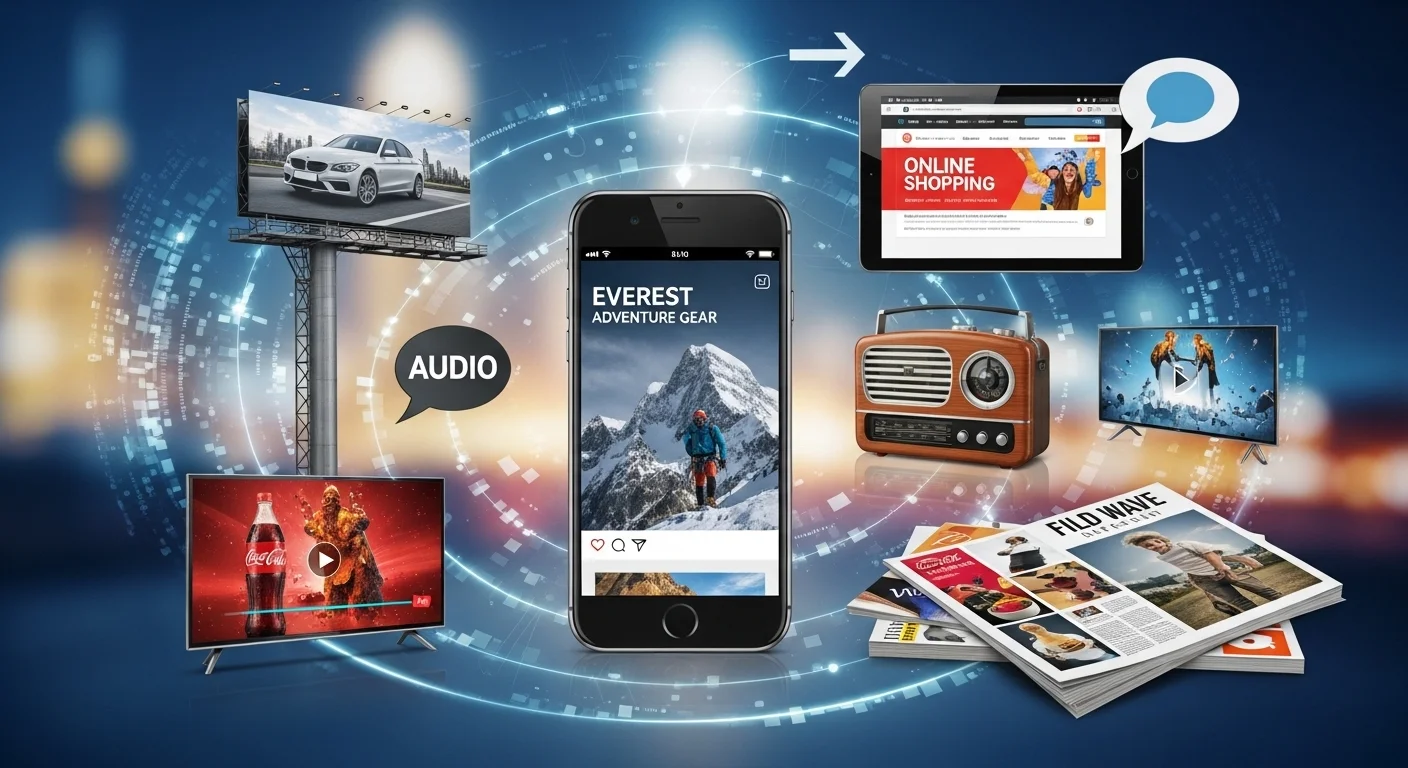
Media Advertising Strategies, Every marketer will reach a point at one point where he/she looks at the report of a campaign who has achieved a good reach with poor conversion and wonders what went wrong. I’ve been there. And, more frequently, it is not the problem of the budget or, even, the creative. It’s the strategy. Or the absence of one that would be suitable to the present-day media environment.
Advertisement in the media has been transformed tremendously in the last decade. The media has been multiplied, viewers have been fractured and the attention of consumers is the limited resource on the planet. But there are a lot of brands that continue to work with old school structures, and run TV ads as though it were 2005, or put money into digital with no real strategy of how the jigs fit together. Now, let’s delve into what works.
Begin with Audience Intelligence, not Channel Choice.
The common mistake that most people make is to begin with the channel, i.e. we need a YouTube campaign OR we need to do some Meta ads. That’s backwards. The best media advertising plans start with a profound idea of who you are attempting to cover and how they utilize the media to do so.
This implies that it is not a mere demographics. A female healthcare worker in Chicago aged 35 and listens to true crime podcasts during her commute acts in a totally different way compared to a female aged 35 in Phoenix that listens to reality TV at night and scrolls Instagram at lunch. The same age, the most different media.
The argument in favor of Multi-Channel Campaigns.
Single channel advertising is to a great extent a relic. The modern day consumer experience goes in zigzag with various touchpoints before they make a decision. One may be exposed to an advertisement of a brand on connected TV, read reviews on Google, view an influencer on YouTube review and then eventually makes a purchase after seeing a retargeted social ad. Not a queer road, that– that’s Tuesday.
Integrated media campaigns are effective as they provide a consistent brand story across media and channels and maintain the particular format and expectations of the audience of each channel. The purpose of a display advertisement and a podcast sponsorship are different. The visual brand recall is formed by display ad. The podcast sponsorship creates a sense of trust by being linked to a host whom the listener has some sort of respect.
Programmatic Advertising: extremely potent yet not frequently handled.
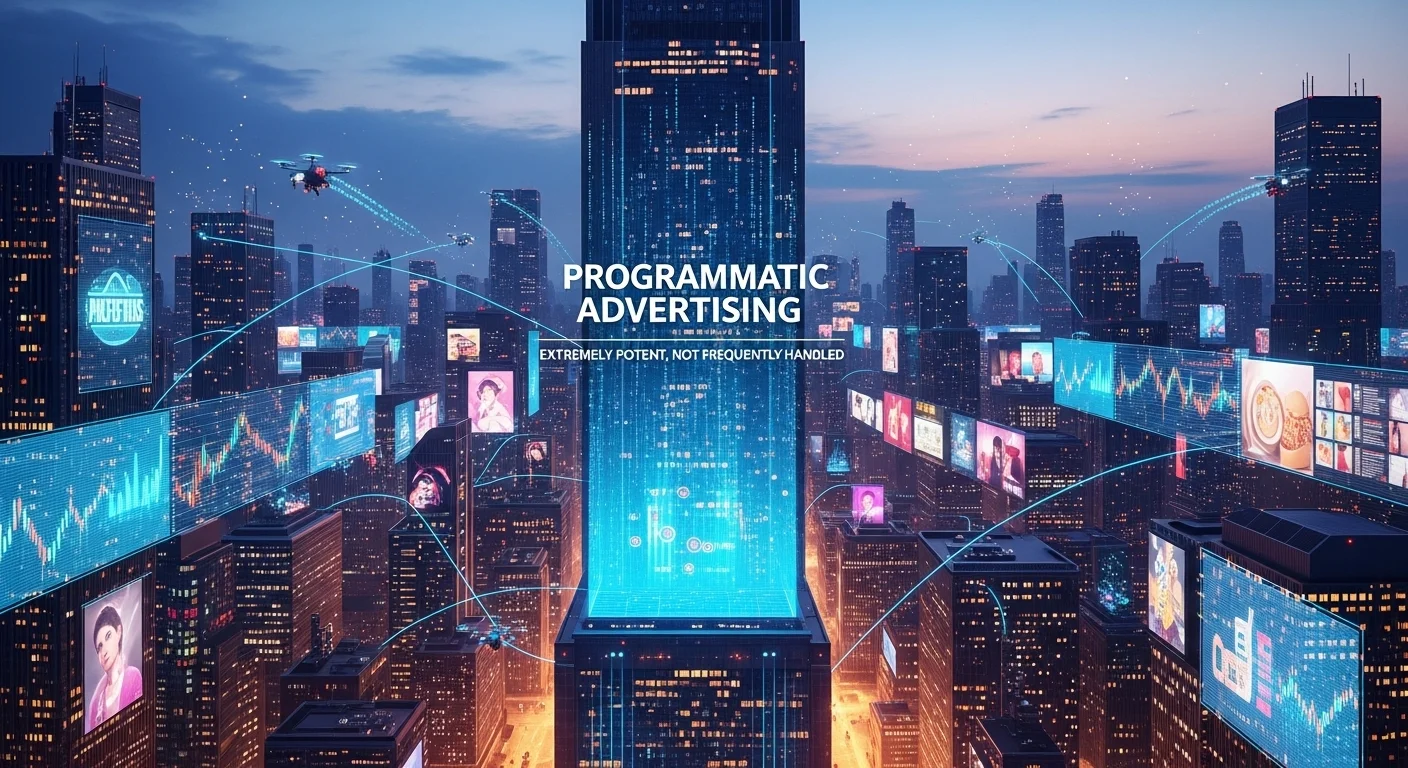
The programmatic has revolutionized digital advertising because bidding is done in real time when dealing with large volumes of inventory. Properly, it is so cost-effective. Wronged–which occurs always–it burns budget in bad placements and its false impressions of which no one was seen.
The largest problem I have encountered regarding programmatic campaigns is that there is no proper segmentation of the audience and the exclusion lists are weak. You find yourself advertising adjacent to material that is either not in your brand or is too far out of your target area. Always apply brand safety tools, tighten your frequency caps and review your placement reports on a regular basis. The important aspect of impressions is viewability rather than the volume of impressions.
Paid Social: Paid Beyond Post Boosting.
Paid social media (primarily Meta, Tik Tok, LinkedIn and Pinterest) is now a part of most media strategies. Nevertheless, there is a general bafflement on how to make it effective.
The largest variable of paid social performance currently is creative quality. The research conducted by Meta has found that the most performance variance occurs within campaigns due to creative forces. Native-like content in short form video not only performs better than the traditional ad forms on social media, but it also has been found to outperform the most finely sculpted advertising content. In case your video resembles a TV commercial of 2018, it will be scrolled over.
Out of Home Advertising Is Underestimated at the moment.
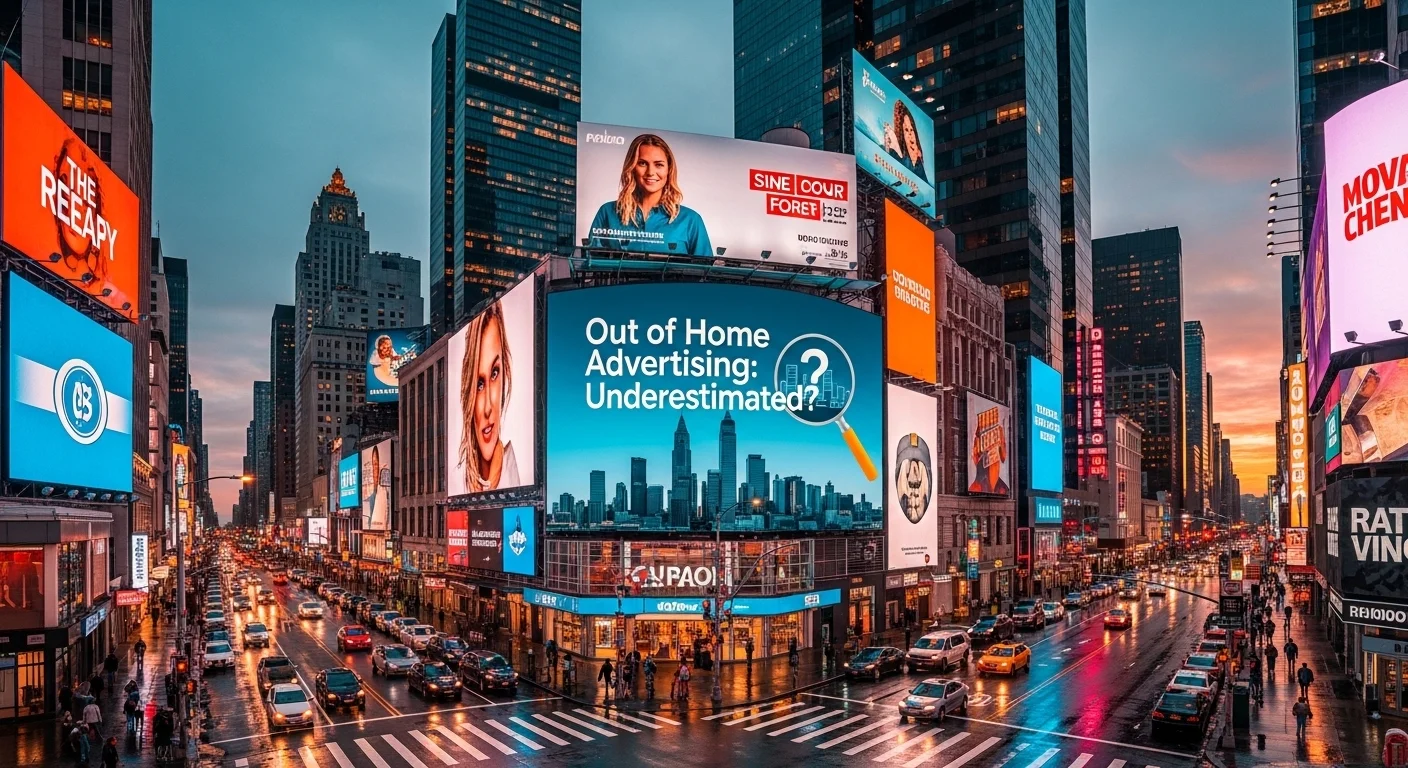
This is counterintuitive: out-of-home advertising (OOH) such as billboards, transit advertisements, and digital signage has sneaked up to be one of the more successful awareness investments on the market, especially in urban markets. It can be avoided, okay, but it can be avoided in a manner that is impossible with digital ads.
Particularly digital OOH has been expanded, resulting in the ability to have dynamic creative, which varies depending on time of day, weather, or local events. A coffee brand with a good morning, Chicago billboard at 7 AM on a cold Tuesday is doing something that is truly contextual as opposed to being algorithmically targeted.
OOH is particularly effective as a complement to online campaigns (i.e. as a brand amplifier) – it reminds people of what they have seen online and creates a sense of recollection by being in the real world.
What Matters to Measure.
The bane of good media strategy is vanity metrics. Impressions, reach and clicks inform you about something, but does not inform you whether or not your advertising is actually driving business results.
Make investments in the right attribution modeling. Know how to distinguish between last-click attribution (where bottom-funnel channels are massively overvalued), and data-driven attribution (where attempts to allocate credit more impartially through the journey). Awareness campaigns can be facilitated using the brand lift studies. One of the most sincere methods of spouting out the actual impact is incrementality testing, or running campaigns in certain markets and not in others.
Patience is also an aspect of good measurement. It is not uncommon that brand-building campaigns take months to realize ROI. The need to be provided with immediate conversion data when a campaign is aimed at creating awareness is analogous to taking a seedling out of the ground to determine whether it is growing.
Final Thought
The brands that are winning the battle at media advertising today are those that are considering it as a strategic discipline, rather than a checkbox. They are also making investments in audience insight, develop integrated multi-channel strategies, fine-tuning on creative excellence, and genuinely rigorous measurement. It is not as glamorous as pursuing the latest platform craze, but what creates sustainable competitive advantage.
Frequently Asked Questions
Which is the best media advertising strategy in the current?
Combined multi-channel campaigns that are able to combine brand recognition and conversion oriented strategies are likely to have the most effective outcomes.
To what extent ought a business to allocate funds on media advertisement?
The majority of experts suggest advertising to spend 5-15 percent of funds on advertising, but it again depends greatly on the industry and the stage of growth.
Is the old-fashioned advertising worth it?
Yes, especially, TV and OOH to create brand awareness. The traditional and digital advertising are most effective when combined.
What is the largest media advertising error?
Beginning with choice of channel, rather than comprehension of audience, and basing it on vanity metrics, rather than on actual business results.
What is the value of creative in the media advertising?
Extremely important. In the majority of channels, studies have always demonstrated quality of creativity as the biggest campaign performance driver.

Post Comment