Social Media Campaign Ideas That Actually Work: A Field-Tested Guide
Social Media Campaign Ideas, I have been observing over the last ten years as brands either craft a success on their social media campaigns or meet their doom. Since handling startups and mid-sized business campaigns, as well as consulting work on a few bigger companies, I have come to have a fairly clear picture of what makes the difference between the very memorable and the phenomenal.
I would like to tell you what I have learned, not in theory, as you can find in marketing textbooks, but something that has really turned the needle.
The Reason Why the Majority of Social Media Campaigns Fail.
To jump into ideas, first, it is needed to deal with the elephant in the room. Majority of campaigns fail due to the fact that they are constructed on what the brands prefer to say and not what the audiences want to read or listen to. I got to know this the further way back in 2019 when one client demanded that I should conduct a product-oriented campaign, which would produce great impressions and, however, no significant engagement whatsoever.
User-Generated Content Campaigns.
This is my top choice of recommendation when it comes to brands even having a significant following. The idea is easy: you provide an incentive to your audience to create content which involves your product or service, often accompanied by a branded hashtag.
GoPro has basically constructed their entire marketing strategy based on this strategy. They do not even have to provide you with their budget to make it work.
One of the small coffee roasters that I was working with last year went through with a campaign called the morning ritual, where the customers were asked to share how they begin their day with their coffee. The prize we gave was a humble one a month of supply of beans but the true magic was to be on the main feed of the brand. The number of people who participated was approximately 300 more than we expected it to be.
The trick is to make people feel like contributors and not content farms. Credit every post. Engage genuinely. Your audience is not there to work on free exposure, make them feel as part of something.
Content Series: Behind-the-Scenes.

Human beings have the natural curiosity of the way things work. This is regardless of whether you are producing furniture or a law firm.
I have witnessed this strategy change the perception of business that appeared to be unfriendly. One of the high-end jewelry designers I have spoken with had a problem reaching young demographics who perceived the brand as a teddy-boy brand of jewelry. We developed a weekly series demonstrating the real process of craftsmanship dirty workstations, unsuccessful efforts, the joy of completion.
The right way to Campaign Challenges.
The successful campaigns have the same features: they have a simple structure, clear instructions, and do not imply special skills and equipment. The success of the numerous challenges presented by Duolingo lies in the fact that it is possible to learn at least one or two phrases by going through Tik Tok.
What doesn’t work? Homework challenges or ones that are too demanding. I have seen companies allocate a lot of funds to challenge campaigns that failed miserably due to excessive complexity in the process.
Cause-Related Campaigns
Here authenticity cannot be compromised. Performative activism is detected instantly by the audiences, particularly the younger ones. The brands that triumph with cause related campaigns do not have any false associations to the causes they support.
Patagonia succeeds since they have been active in environmental activism since their inception. A fast-fashion brand all at once becoming a sustainability champion? That triggers skepticism.
When you take this path, be serious about it. Collaborate with well-known organizations. Donate actual resources. And accept that not everyone will like it – attempts to please everyone will normally lead to pleasing no one.
Engaging Content Campaigns.
Interactive stories, quizzes, polls, and questions are always more effective than the the static content in my experience. This has been simplified by Instagram and Linked In with inbuilt features.
One of the B2B software firms that I had to collaborate with reorganized their LinkedIn profile switching the company announcements to industry-specific polls and discussion-provoking questions. Their level of interaction rose significantly within a period of three months.
The best thing about interactivity content is that it is a two-fold objective of the content as it is not only entertaining to your audience, but also a good market research. Each poll answer will inform you of what your audience believes in, desires, or cannot cope with.
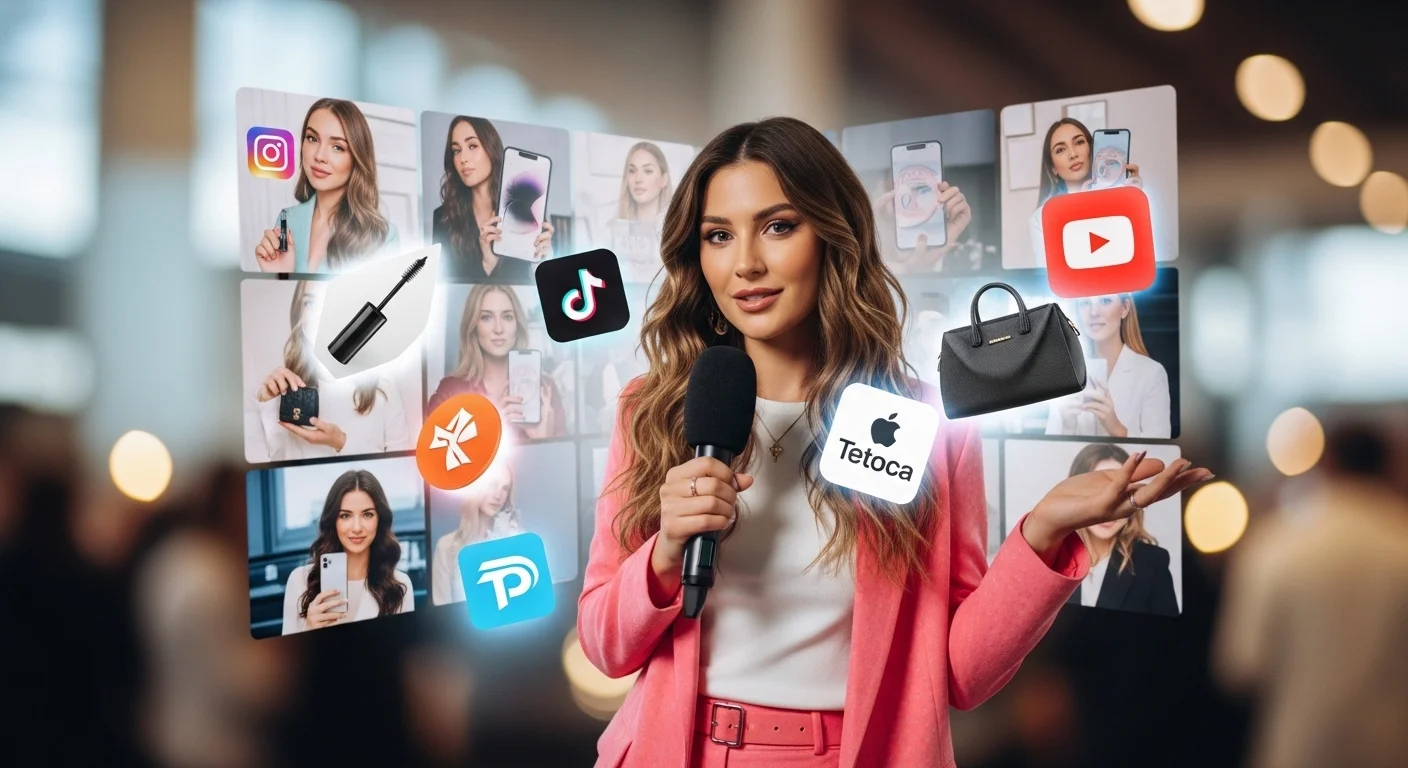
Influencer Collaboration Campaigns.
This landscape has developed significantly. Mega-influencers who have millions of followers do not always provide diminishing returns as compared to micro-influencers who have highly engaged niche audiences.
I have performed better in collaboration with creators having between 10,000 and 50,000 followers as compared to creators who claim to have hundreds of thousands. There is a big difference in the quality of engagement.
The secret is to identify creators whose audience actually matches your target market as well as has similar values to your brand. An organic sponsored post works better compared to an advertisement.
Timely and Seasonal Promotions.
The tactic of planning around cultural moments, holidays and seasonal trends is still good when carried out intelligently. The error I notice in repetition is that the brands strive to use every possible opportunity and blur their message.
Choose your time wisely. Tax preparation service must certainly possess good content in terms of tax season. Their campaign on valentine day? Probably unnecessary.
Measuring What Matters
This is where most campaigns fail. Vanity metrics are good, likes, impressions, the number of followers feel good but do not always mean success.
Have your real objectives set out. Brand awareness needs other measures than the lead generation or direct sales. Monitor and also be ready to change in between the campaign depending on the information the data will give.
Frequently Asked Questions
What is the recommended amount to spend on a social media campaign?
There is no real answer to this, but start with what you can maintain. A small monthly budget spent wisely normally performs better than big investments made occasionally.
Which channels are the ones I should target?
Go to places where your audience already reside. Likewise, research demographics and do not stretch thin on one hand to another platform.
What duration is appropriate to run a campaign?
The majority of campaigns take 4-8 weeks. The campaigns that are shorter do not have the momentum, the longer ones can have the audience weary.
What is the frequency of posting during a campaign?
It is a question of quality rather than quantity. Regular posting is effective compared to some ad hoc activity.
Is it possible to compete against bigger brands with small businesses?
Absolutely. Smaller companies usually possess authenticity benefits, which larger rivals can hardly copy.
What would I do to know whether my campaign is working?
Create specific standards prior to launching and monitor pertinent indicators on a weekly basis. Change strategies according to performance data.

Post Comment