Social Media Analytics Tools: A Comprehensive Guide to Measuring What Matters

Social Media Analytics Tools, I recall the time, approximately six years, I was in the cramped meeting room and our marketing director was scrolling through spreadsheets in an attempt to assemble our performance on social media. On one tab, we had Facebook Insights open, and on another, Twitter analytics, and a person was counting Instagram interaction by hand on his/her phone. It was chaos.
Now move to the present day and the picture has changed in a drastic way. Social media analytics systems have ceased being rudimentary following counters and have developed into complex systems that can anticipate trends and sentiment and tie social performance to revenue. Being able to work with dozens of such tools over the years.
The Situation of Why Social Media Analytics Do Matter.
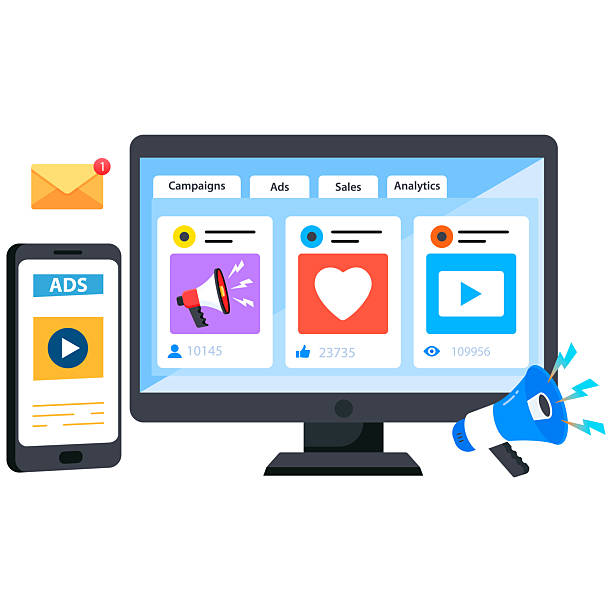
Being straightforward, vanity metrics remain a colossal trap. I have witnessed firms that have boasted of having 100,000 followers but the social traffic to their websites did not translate into a growth in site traffic. It is not the number of heads but rather the behavior that counts in the real value of analytics.
Good analytics can find answers to important questions: Which content is discussed? Do you and your audience actually read or engage or scroll? Are you appealing to decision makers or casuals? These lessons are learning that cannot be gut instinct.
Disaggregating the Key Actors.
Sprout social has emerged as my recommended one to businesses that are middle-sized. Their reporting is truly a natural one, and their listening capabilities have brand mentions in places that do not need a degree in data science to be understood. Its cost is also relatively high compared to its competitors, yet its time-saving benefits make it worthwhile to staffs that deal with multiple accounts.
Hootsuite is still important even though it is among the older participants in this field. They have enhanced their analytics, especially where the enterprise users require customizable dashboards. I have however seen that their interface can get cluttered when you have more than five accounts at a parallel time.
Buffer is a simple solution that is effective with small teams and solopreneurs. Their analytics emphasize on the most important- engagement rates, the most appropriate time to post, and the performance of different content. The strength and limitation of the simplicity is its simplicity.
Analytics Deep-Dive Experts.

Brandwatch is a serious competitor researcher. In my case with a retail client last year, we applied Brandwatch to monitor the performance of campaigns by the competitors and the changes of sentiment on different occasions they launched their products. Our counter-positioning strategy was informed by the insights.
Socialbakers (since Emplifi) is a company that is excellent in influencer analytics and benchmarking. When you are spending a lot of money on influencer relationships, they will not make an expensive mistake by using an inflated account because of their authentication level and audience quality results.
Native Platform Analytics
The inbuilt tools should not be undervalued. Facebook Business Suite, Twitter Analytics, LinkedIn Analytics, and Instagram Insights have all come of age to a big extent. In the case of a business that has begun its analytics venture, it is only logical to have mastered these free tools before spending money on third-party programs.
What Characteristics Are Real Drivers.
Having tried a lot of platforms, there are some features that always turn out to be worthwhile:
Cross-platform reporting conserves time in tedious compilation. The ability to view single channel performance in all the channels in one dashboard revolutionizes speed of pattern identification amongst teams.
Competitive benchmarking offers some context that internal data does not offer. It is less important to know that due to declining engagement rate on your side, your company lost 15 percent when you find out that the whole industry reported the same trends.
Problems are identified at an early stage through sentiment analysis. Sentiment tracking has helped a client to realize a brewing customer service problem was brewing into a PR crisis before it happened.
Mistakes I have common witnessed.
The most common mistakes with analytics tools by teams are predictable:
A company that buys enterprise solutions even with rudimentary needs is a waste of money and consumes labor. A restaurant in the town does not require the same level of analytics as the global brand.
Monitoring measures on a daily basis without setting a benchmark results in reactive decision-making according to ordinary variations. Comparisons that are made weekly or monthly with the set baselines generate more actionable insights.
The Right Tool in Your Right Situation.
Budget constraints are real. A small company can use native tools and one affordable platform such as Buffer or Later to do meaningful analysis. The mid-tier products, such as Sprout Social or Agorapulse, are beneficial to growing companies with social teams that are dedicated. Companies with numerous brands in the marketplace require tailored products such as Salesforce Social Studio or Sprinklr.
Take into account the level of technical comfort of your team honestly. The weapon of power is useless, when your team is afraid to use it. I have observed costly Brandwatch subscriptions go unused as employees went back to spreadsheets.
The Future of Social Analytics.
The privacy change has been redefining what is trackable. The decline in popularity of third-party cookies and the growth of user privacy technology implies that analytics tools will evolve to be first-party data-integrating and predictive.
Video analytics are growing at high rates. Since short-form video takes over platforms, watch time, drop-off rates, and audio-on and audio-off viewing tools offer competitive advantages.
More than ever before, integration capabilities are important. CRM system, email, and advertising dashboard connective tools provide the holistic pictures that cannot be matched with isolated analytics.
Final Thoughts
The analytics tool of your team that you use in practice is the best. Ornamental attributes have no significance without frequent meaning and performance. This is done by starting with specific questions you require answered and then choosing the tools that specifically match the needs.
Strategy should not be complicated by measurement. Having that principle in mind, you will reduce the plethora of choices and get to the solutions that will indeed enhance your social media performance.
Frequently Asked Questions
Which is the most effective free social media analytics?
Platform-native analytics (Facebook Insights, Twitter Analytics, Instagram Insights) is a significant amount of data without charges and needs to be perfected first, prior to any paid-off option.
What is the frequency of checking social media analytics?
The tactical adjustments of the strategy should be reviewed weekly and the strategic insights of the business should be conducted once a month without data addiction.
Are analytics tools an accurate measure of ROI?
UTM tracking and conversion integration tools can render approximate ROI, but it is difficult to do so with precision because of multi-touch customer paths.
The difference between social analytics and social listening?
Analytics are used to estimate the performance of your own account, whereas listening is used to monitor the wider discussions, mention of competitors and the overall trends in the industry across platforms.
Do business analytics systems pay off?
Enterprise solutions are normally worth the extra cost to organizations operating many brands, large workforce or services demanding advanced customization and compliance capabilities.
What measures are the most important in engagement?
The rate of engagement (interactions/reach), shares, and sentiment of the comments are usually the signals of content resonance rather than actual follower counts or impressions.


Post Comment