The Honest Truth About Media Content Creation: What They Don’t Tell You in the Tutorials
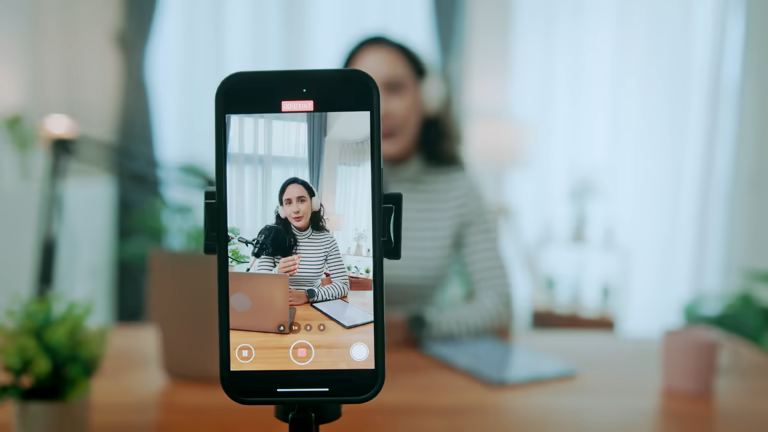
media content creation, It has taken me more than eight years to produce media content, and I can tell you point-blank it is a huge difference between the slick YouTube guidance on how to do it, and what occurs when you sit in front of a clean timeline at 11 PM on a Tuesday.
I would like to begin with the fact that many people do not want to admit it most of the things that we have been reading every day are of a rather mediocre quality. It is rough, but it is also really freeing. Creativity is murdered more than anything, by the pressure to produce something viral or groundbreaking on each and every post.
What Is the REAL Meaning of Media Content Creation?
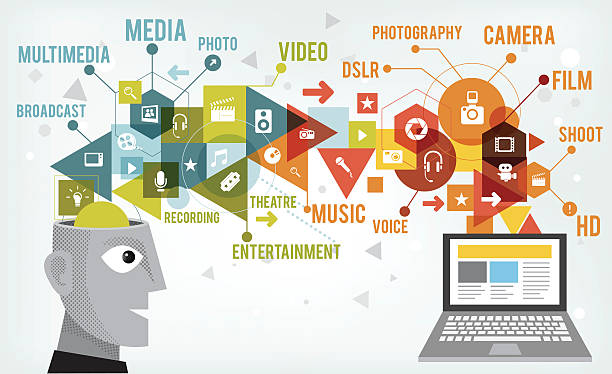
However, at the beginning of my steps, I believed that content creation was all about the best and the fanciest camera or the most impressive knowledge of the Adobe Shortcuts. I spent a few months viewing tutorial after tutorial, because I felt I had to get the color grading perfect before I could release something. In retrospect, it was a waste of time.
The key to creating media content is simply knowing three things that are: what you want to say, who you want to say it to, and what you want to say it on. Equipment is important, of course, but it is likely to be fourth or fifth on the list of what really moves the needle.
I recall a campaign I was working on in a local coffee shop. Our budget was small and we filmed it with an iPhone 12. Our owner was worried that he would appear cheap but the videos we made, bare recordings of their baristas making drinks with the professional aim of smiling and really smiling, worked better than the slick corporate videoing their competitors were doing. Why? Since people could relate to the reality.
The Design Process: Making Software creation that no one talks about.
Planning will never go as quickly as you guess. I spend an hour on research and scripting (unless it is a familiar subject), per 10-minute video I post. This is not time spent in vain either, rather than going on and on with aimlessly written content, this is what is researched and much needed respect.
I have a simple workflow consisting of a notes app where I enter my ideas (they come at any moment), a spreadsheet to plan the content calendar, and rough scripts or outlines to read through before shooting. Nothing fancy, still, but regular.
Recording or filming is typically the fastest thing choice once you are prepared. I batch-produce content where I can, three or four videos at once. Your performance remains reliable, you’re already in the zone and you save on configuration and deconfiguration.
It is content at its dying point in editing. I have learned to be merciless here. Your brilliant tangent that you made? Trim it when it does not enjoy the point. That joke you love? Gone if it kills the pacing. Good editing is largely what you take away, rather than what cool effects you add.
Platform-Specific Realities
Instagram is now vertical video whether we like it or not. Instagram prefers the Reels, so until you just post static photos, you are fighting against an uphill battle. I have coped with this by writing content that will run optimally in a vertical format, then the repurposing of this content later on.
YouTube is compensated on viewing time and frequency. It is channels that grow on a regular basis and ensure that people continue watching. It means that your initial 15 seconds must capture the attention of the viewers, and your timing must be able to keep them engaged. I study my retention graphs like a maniac, and track interest amateur paleography.
TikTok is the wild card. I have witnessed a horrendously filmed videos that have become viral because they played into an emotive appeal or were in the right place at the right time. In this case, quality is of less worry when compared to timing and relatability.
Amazingly, LinkedIn has turned out to be an effective video content platform, particularly when you find yourself dealing with B2B. Slicker and friendlier is better than too-slick productions.
The Business They Miss with Creative Courses.

This I got to understand the hard way when one client loved my work and would contest me on each invoice. I now have contracts on everything including small projects. 50 advance, 50 delivery. No exceptions.
I continue to have problems with pricing. Do you bill on an hourly, project, or value basis? I have shifted towards project-based pricing because this one encourages efficiency but will always work out an implied hourly rate to ensure that I am not pushing myself too low.
If you are a beginner, do not do anything in hopes of exposure. Perhaps do a project or two at a lower price to fill your portfolio, however charge something.
Avoiding Stress by being steady in the Workplace.
I discovered that it is better to have lower, achievable goals, as opposed to high schedules, which I am unable to keep. Three good posts each week are better than seven so-so ones, to your sanity, as well as to your readers.
Reduce, re-use, re-purpose. The 10-minute YouTube video is turned into four Instagram clips, a blog post and a LinkedIn article. You are not lazy, you just are being smart about your audience just existing where they already are.
The Bottom Line
The process of creating media content does not look as glamorous as it might seem like it does on the surface but is more accessible than ever. It does not require a studio or a film degree. You have to have something to say, the discipline to turn up regularly and the humility to continue learning what works and what does not.
It is best to begin here with what you have and get better as you go. That is the actual secret that no one wants to inform you that it is that simple to market a course.
FAQs
Which equipment, really, should I start with?
An iPhone, good light (it can be natural window light as well), and a simple microphone should you need to record audio. That is really enough to begin.
What frequency of posting should I have?
As frequently as you can qualify and be consistent. Three good posts in a week outdoes the average work per day.
How do I find my content style?
Write a lot, read what appeals to your audience and observe what seems young to you. You are a style creature, not a style planner.
Am I supposed to work on one platform or be omnipresent?
Begin with one platform where you have an audience and learn it, before branching out. When you go thin too young, the consequences are mediocre.
How long before I see results?
Realistically? It will take three to six months of regular posting before you notice some traction. He who promises you more rapid results is a peddler.




Post Comment