The Evolution and Impact of Online Media Platforms: What I’ve Learned After a Decade in Digital Publishing
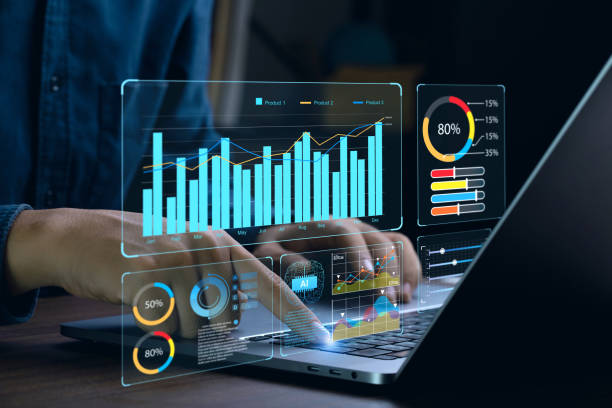
online media platforms, The environment in the digital media appeared to be a lot different when I was first hired to work in it back in 2014. On Facebook, personal posts continued to have precedence in newsfeed, YouTube was largely dominated by cat videos and vlogs, and TikTok did not exist. Jump to the present and the online media sites have significantly changed the way we absorb information, the manner in which we interact with each other and even how we purchase an object.
The Next New Thing What Online Media Platforms Are.

The digital ecosystems comprised online media are the platforms in which content is produced, shared, and posted. The media which are interactive, algorithmically driven and constantly expanding unlike the traditional media, which are think, newspapers, television or radio. They include social networks such as Instagram and Twitter (since renamed X), video-sharing platforms such as Youtube, professional networking such as LinkedIn, and new platforms such as Discord and Substack.
The V virtuous: Democratization and Availability.
Democratization of content creation by online media platforms is one of the strongest aspects of online media platforms. I recall talking to a local baker in Oregon who built a company out of a retail shop to nationwide shipping only because her cake decorating videos went viral on Tik Tok. She did not require a budget on advertising on TV or contacts with the food magazines. All she required was creativity and continuity.
The information has also been made extremely available using these platforms. In the early pandemic, I was viewing live as doctors and epidemiologists disseminated findings of research and advice about the public health, sometimes days or weeks before traditional media had reported. The rate of information dissemination in such platforms can actually save some lives.
In addition, the online media has also provided an avenue through which societies that have been underserved by the conventional media can be heard. The independent podcasters raise lesser topics that would not pass through the mainstream radio. YouTube channels that are devoted to niche hobbies have devoted audiences. Support groups of rare illnesses are supported in the communities of Reddit. This long-tail content ecosystem is addressing real needs that the broadcast media could not formerly address.
The Things We Are Not Learning to Ignore.
Nevertheless, my digital media reporting years also revealed the ugly scenes of such websites. The content amplification algorithm does not differentiate between truth and fiction, content and clickbait. I have seen this misinformation disseminate quicker than corrections, as well as the ability of engagement-based algorithms to time and again lead people toward more and more radical material.
The psychological consequences are difficult and alarming. Some of my coworkers, who are in or near their 20s, have told me how the culture of comparison on Instagram has impacted their self-esteem, or how scrolling through an ever-growing Twitter feed can be the cause of anxiety. A growing body of literature is once again supporting these anecdotal findings, especially as far as the wellbeing of youth is concerned.
Next, there is the economic model. The nature of most online media platforms is based on advertising revenue and this business model would encourage continuous usage of the sites, not necessarily giving the best content. I have witnessed how quality journalism has failed to work on these platforms when sensationalization content does the trick as far as more likes and clicks are concerned.
The Platform Power Problem

The other problem that has gained much ground is the sheer power that these platforms have. A small group of companies dominating the way billions of the population communicate and access information makes us pose some tough questions in regard to accountability and governance.
I reported on the Facebook whistleblower story in 2021, and the most notable part was receiving an insight into how decisions such as how Instagram can change its algorithm to emphasize Reels are taken when the potential negative consequences were well known. The records showed that user welfare usually loses to engagement metrics in the decision making processes at the corporation.
There is also the thorny issue of platform moderation. The companies should find a balance between free speech and avoiding harm, and have to operate across borders with various norms and legislation. After the interview with content moderators, I understand that this job is psychologically challenging and the policies are not always enforced consistently.
Online Media Platforms Where They Are Headed.
Going forward, I would identify that there are various trends that would influence the future of the online media platforms. First, we can observe an apparent change of smaller and more intimate communities. It is time people are sick of performing to huge audiences and being toxic. Therefore the rise of Discord servers, and private facebook groups and the subscription-based business of Patreon.
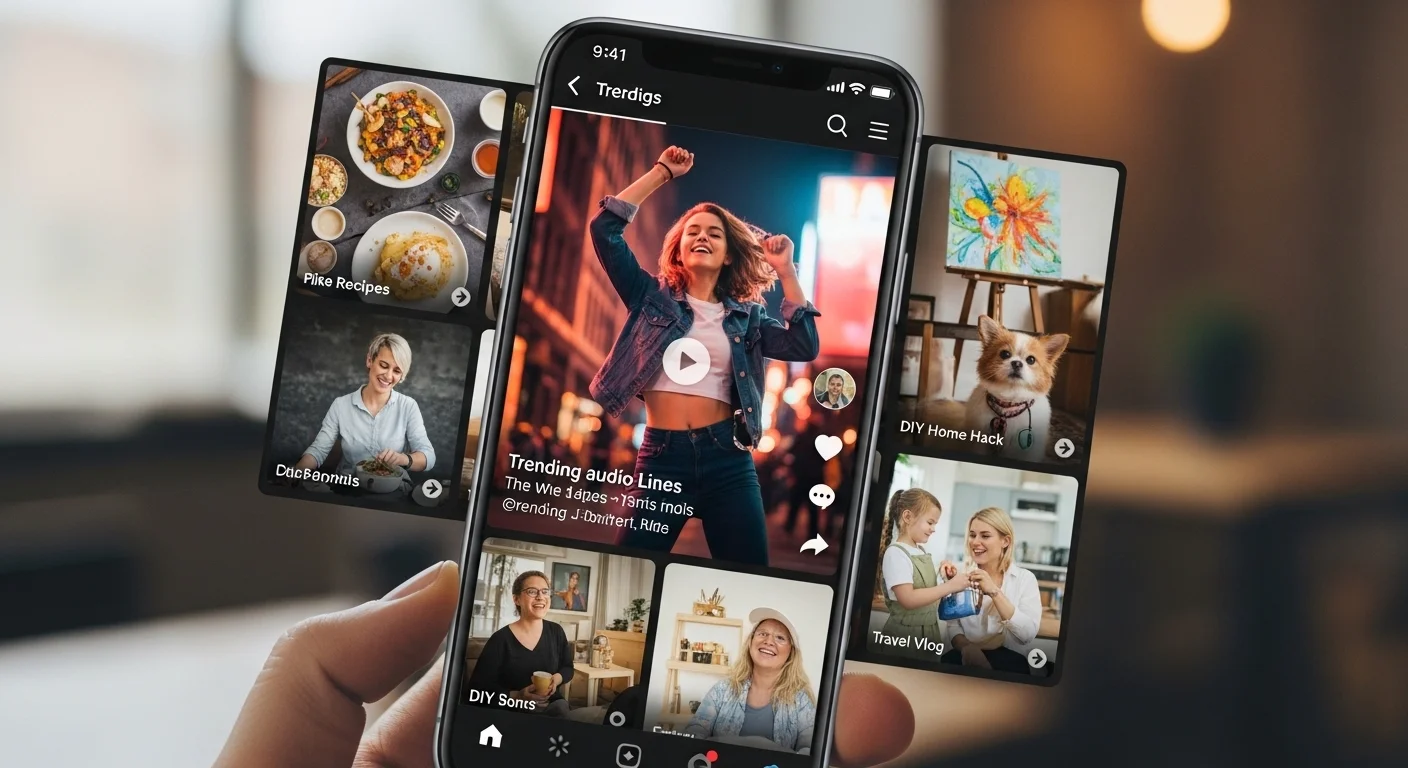
Video content is still prevailing but it is becoming shorter and more interactive. TikTok has been successful, which compelled YouTube to invest in the short form vertical video. At the same time, we are experiencing the first experiments of virtual and augmented reality which are not yet obtained on a mass basis.
Making a Wise Move in This Landscape.
Having used and studied these platforms over the years I have come up with some practical guidelines. First, make a variety of your information diet. Do not use social media to be your only source of news the algorithm (me) presents you with what you are interested in, but not what you have to know.
Second, be mindful of your usage of platforms. I have been finding it convenient to designate the respective platforms with certain uses: LinkedIn to networking, Twitter to news in the industry, and Instagram to communication with friends. This will avoid the mindless switching of the apps that take up hours.
Three, promote journalists and literature. When you appreciate the work done by someone, subscribe or donate or share it. The creator economy is transforming the media economy but only in a great way as long as audiences participate.
Lastly, educate the media literacy (particularly young users). Knowing the working of algorithms, understanding sponsored content and always checking before sharing is a requisite of the platform era.
FAQs
What is the difference between social media and online media sites?
Social media is a subdivision of the web-based media platforms that are aimed at communicating and networking with users. Social networks are only part of online media but there is also a video platform, a blog, a podcast, and content distribution services.
What are the ways by which online media platforms generate revenues?
Mainly by advertisement, but a growing number via subscriptions, premium functions, e-commerce incorporations, and creator revenue-sharing schemes.
Do online media platforms displace the traditional media?
They are supplementing it, but not totally substituting it. These platforms are now used by many media outlets that have the traditional mobility, although in an original form.
What can I do to ensure my privacy on these sites?
Checking privacy and restricting the sharing of personal data, using serious passwords, fi-factor authentication, and careful permission of the third-party applications are regular.
So what is the reason behind viral content on these sites?
Emotional resonance, timing, relatability, and alignment of the algorithm are contributing factors. Virality is not predictable, though, and it should not be the major content objective.

Post Comment