Social Media Marketing: What Actually Works in Today’s Digital Landscape

Social Media Marketing, I still sanctify the time when my friend Sarah started her jewelry business focused on handmade items in 2019. Her products were magnificent, she had a beautiful web site and she had zero customers in the initial three months. Then she began posting regularly on Instagram, connecting with her community and, one day, orders started to come through. Today, social media now generates about 80% of her income. That is the magic- and disappointing-power of social media marketing in a nutshell.
Pretty pictures do not count anymore as social media marketing. It has become a muddled combat zone of brands and creators, of everyday individuals, competing to get the attention of the crowded one. Having been in the business of working with dozens of small business, and spending hours upon hours identifying what actually moves the needle, I have learned that there is seldom a one-size-fits-all type of advice or copying what those bigger businesses are doing.
Learning about the Basics.
Fundamentally, social media marketing is relationship building on a large scale. You are not throwing messages into the wind-you are initiating the invisible, and agitating it, and, bit by the bit, attaching credibility. The platforms themselves are only a tool, the real job is simply learning your audience and simply appearing on the platform in a manner that appeals to them.
Consider your personal use of social media. You pass over the bulk of the material with the tip of your hat, but there are times when something catches your attention. It could be a true story, a hint, a solution to a problem that you’ve been grappling with, or maybe it’s something that makes you laugh. That is the point your marketing must reach- and it is a point more than most people think.
Platform choice: Where the hell are you?
A huge paradox that I can observe is when businesses start their activity in all directions at the same time. A nearby bakery does not really need to be on social media as the audience is composed mostly of older individuals that might consider Facebook to be their home. A graphic designer who aims at creative directors is unlikely to focus on Pinterest instead of Linkedin.
One of my fitness coach was overworking himself to produce content on five platforms. When we examined his actual client acquisition, 90% of them were found on Instagram and YouTube. We eliminated the other three platforms completely and his participation actually grew as he could now concentrate on quality, rather than on quantity.
Facebook remains prevailing in areas of local business and the aged category. Instagram is effective in visual companies and the audiences of 25-45 range. TikTok is no longer a purvey of teens, but a search engine that Gen Z and younger millennials are willing to use, in fact. LinkedIn is here to stay as the market leader in B2B and professional services. Twitter (or X, should we be up to date) is an app about real-time engagement and thought leadership, but its future becomes less and less certain.
Posts on Social Media That Work.

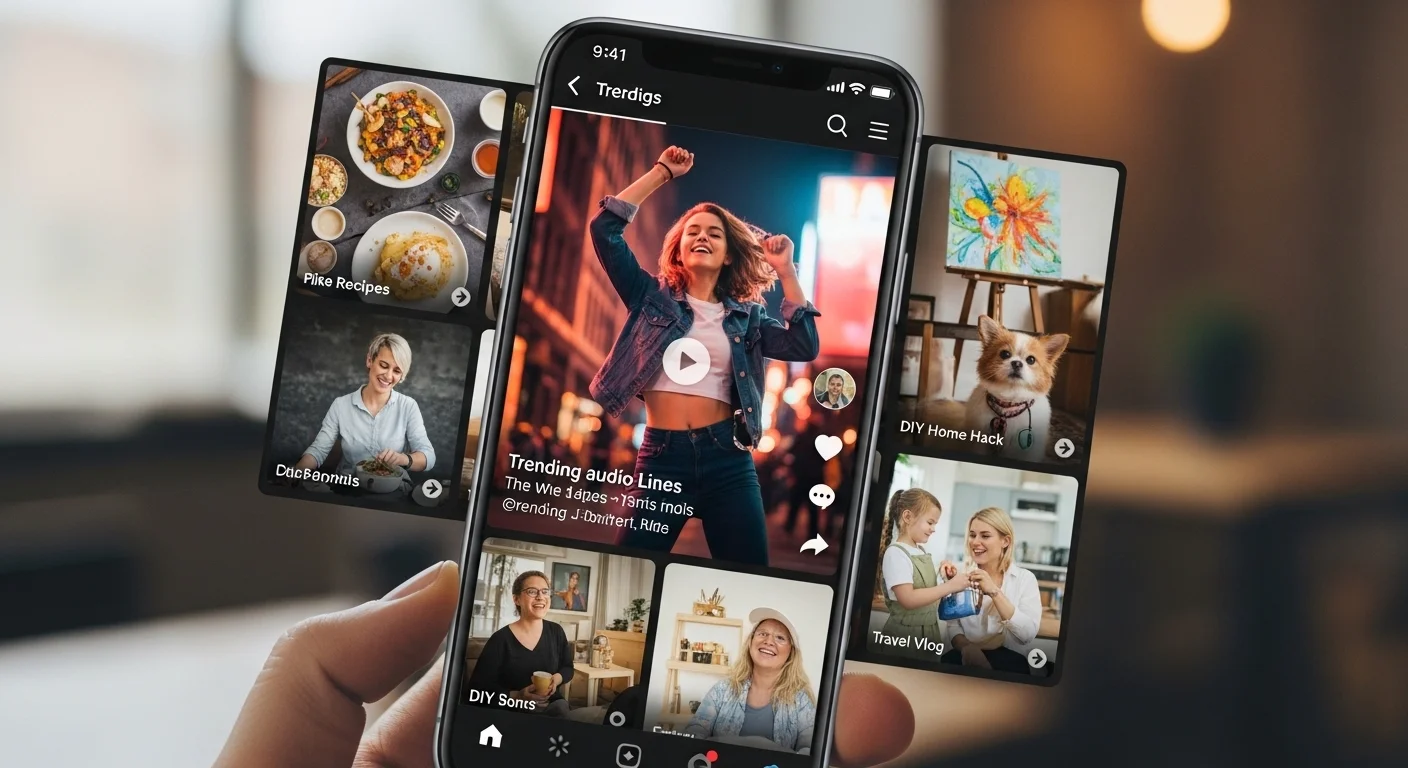
This is an embarrassing fact: the bulk of business content posted to social media is dull. It is templated, oversmooth, and screams out that this is an advertisement. The best-performing material tends to resemble less like promoting and more of a sincere conversation.
The best content to use in education is always better than promotional posts. By posting a few professional videos that lead the homeowners through the process of repairing the leaky or drippy faucet, the plumber is not losing their business, they gain credibility. Others will work out how to do it themselves, and many will believe, this person knows what he is talking about. I ought to call them on the bigger questions.
Behind the scenes content brings your brand to life. People desire to know human beings are there behind the logo. Visiting a restaurant yet watch their cook playing around with new dishes, or scrolling through the website of a software firm sharing a remote workplace arrangement, will connect them.
The Algorithm Reality Check
Everybody wants to crack the algorithm, and here is what I have learned: the base principle of algorithms is to promote content that keeps people on the site. When people scroll instead of ignore, comment on, and otherwise engage with your posts, the platform will display them in front of more people. Nothing mystical about it, everyone can just find it hard to do regularly.
When is not as important as some believe. Of course, it helps to publish when your audience is online, but a wonderful post written at 2 AM is still going to find an audience. It is important that it is consistent, not that it is impeccable. Regularly posted accounts condition their readers to anticipate and seek their publications.
Participation is a two way process. You can’t just post and ghost. Commenting, interacting with other profiles in your niche, and making comments are signs to websites that you are a useful member of the community, and not a broadcaster.
Measures That Do Matter.

Vanity metrics such as the number of followers are nice and have little significance. I have heard stories of accounts with 50,000 followers that can never sell a $20 product and accounts with 2,000 highly engaged followers that make high revenues.
Pay attention to the rate of engagement (likes, comments, shares in relation to number of followers), the number of clicks on the web site and real conversions. When you are not eventually converting your social media presence into email subscribers, customers, or revenue, then something must change.
The Long Game
Success on social media marketing is hardly a one-night affair. Sarah did not start her jewelry business with a bang, she grew progressively as she won the confidence and village. The majority of effective social media plans take months to take off.
Today, the winning brands on social media are the long-term ones, frequent value giving, and forming actual relationships and treating their audience as humans, rather than measuring their achievements through data. Viral growth hacks may not be as exciting, but it works.
Frequently Asked Questions
How many times should I be posting on social media?
Consistency is as important as quantity, however. Begin with 3-5 times per week on your main platform and see what is long term manageable.
Should I be across all platforms?
No. Search 1-2 platforms on which your target audience really spend their time. Expert command of a single platform is better than dime performance on five.
How long until I see results?
It takes about 3-6 months of diligent work to begin to see traction. Single, infrequent posts with viruses are chance happenings, not tactics.
Should I use hashtags?
On Instagram, Tik Tok, and so forth, yes, but find research in your area. In Linked In and Facebook they are less important. Quality is better than quantity here as well.
Is paying for ads necessary?
Unnecessary, but it hastens the outcome. Very little budgets (100-200/month) would go a long way to reach further than organic restrictions.


Post Comment