Digital Media Trends Shaping How We Consume Content in 2024
I have a ten-year history of working in the digital media and I can confidently say this, the terrain is evolving at a much faster rate than most industries can keep up. What was very successful last year may not be of any use today. The platforms we have been depending on 5 years ago have either changed and become unrecognizable or gone out of sight. Remember Vine? Exactly.
I want to take you on a tour of what is really going on in the digital media at present- not the hype the press is telling you in news press releases, but what I am witnessing in platforms and communities of creators as well as the audience behaviour.
The Fake news Short-Form Video Takeover.
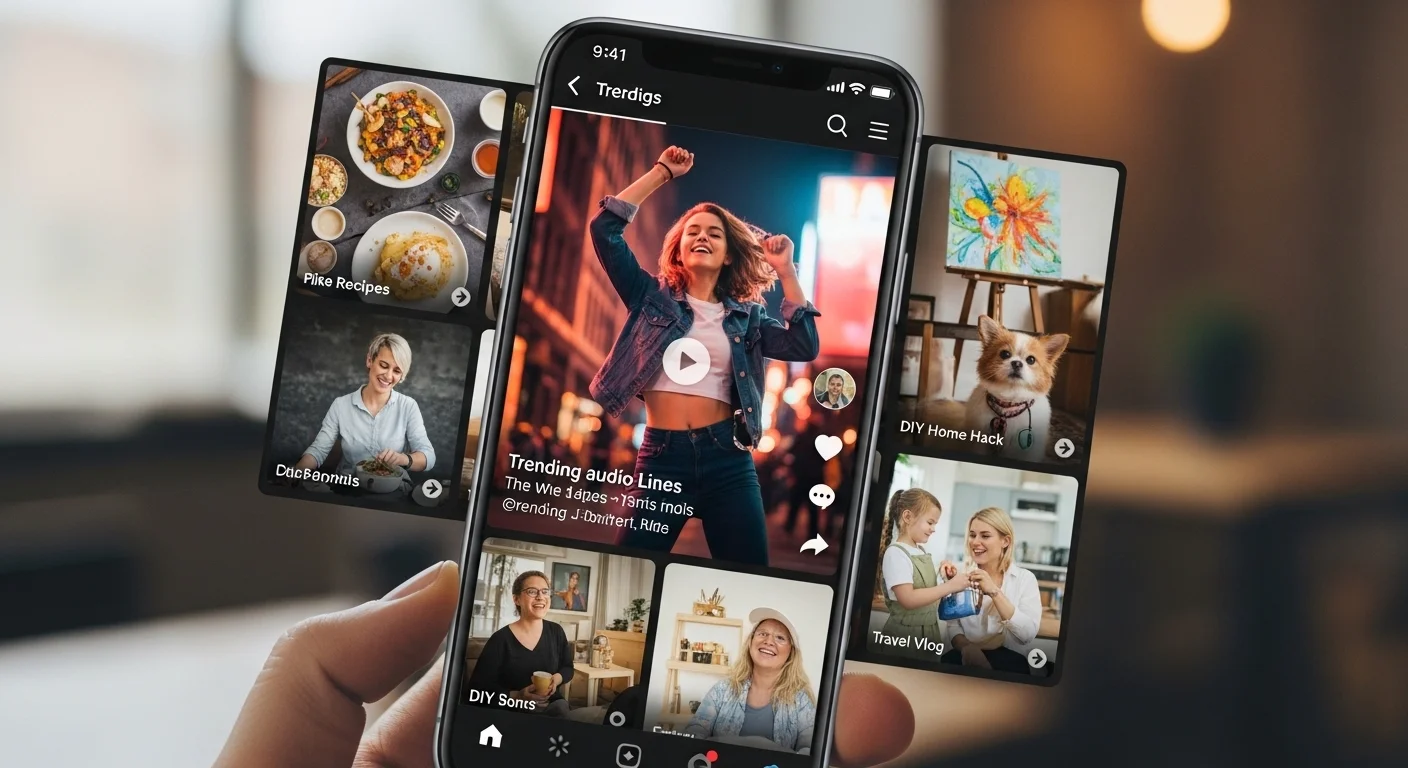
To most of us in the industry, Tik Tok was another social network fully run by teenagers to forget overnight when it first appeared in the industry. We were spectacularly wrong. Short-form video has not only expanded and evolved, but it has radically transformed how individuals anticipate to obtain information.
The example of a financial services company that has fought this trend with years is the one that I just have been working. Their content technique was based on long papers and quarterly white papers. Then, they were reluctant users of 60-second Instagram Reels explainer videos. Those videos resulted in even more qualified leads in only three months than two years of blog content combined.
This does not imply that long-form content is over (as I am writing this article), it only implies that the entry point to what you have to say must serve the interests of diminishing attention spans. Discovery now occurs on YouTube Shorts, Tik Tok, Instagram Reels and on the native video of Linked In. The in-depth analysis may be postponed, but to attract people you have to hook them within seconds and not paragraphs.
Honesty More in Less Than Production Value.
This is something that would not have worked a decade ago: high production and refined content can be much more counterproductive than crude and genuine posts. I have watched giant companies pay 50,000 dollars to create a smooth commercial, the engagement of which is half of what a suddenly shot on the iPhone behind-the-scenes video can achieve.
It is reasonable to think about the shift. Advertising is wearing everybody out. We pass second screen advertising without even a second thought. Yet when one person, one company, reveals to us something real, something unedited, something of forthright use or amusement, we cease. We watch. We engage.
One small skincare company that I used as an example scratched their photoshoots to shoot them themselves naming their founder talking about her skincare problems in the bathroom mirror. That very video was their most successful one of its time and formed a blueprint to their social strategy.
The Creator Economy Has Grown up (And Professionalized).
Do you remember that influencer was almost a taboo in the past? The producer economy has become radically different. What began as sponsored Instagram posts has now emerged as an advanced content-business ecosystem.
The creators have become genuine media outlets. They are diversifying revenue lines through memberships, courses, merchandise and affiliate marketing, sponsored content and platform monetization. The successful ones are not only talented in content creation, but are also keen business operators.
I am acquainted with a journey creator which began by beautiful location imagery. She has five employees today, operates a travel planning agency, sells presets and courses, and has equity deals with tourism boards. She is not an influencer but an entrepreneur who considers the content as her main customer acquisition tool.
The Digital Advertising is being transformed by Privacy Changes.

The implementation of the App Tracking Transparency feature by Apple and the depreciation of the third-party cookies planned by Google have shaken the digital advertising foundation. Having done an ad campaign in my life, I am telling you that LinkedIn, along with its tracking and targeting capabilities, is getting fast and is disappearing.
This has moved several organizations to the first-party data approaches. Lists of email, once pronounced dead years ago are again useful. The process of building community- literally establishing a place where your audience willingly wants to be has turned out to be a competitive edge.
I have also observed a revival of contextual advertising (advertisements on content and not tracking the user behavior) and also the increased focus on targeting the audience at the broader level instead of hyper-specific behavioral targeting. Some of the campaigns have become less effective, but the general trend of becoming more ethical and respectful to privacy has vanished like progress.
Audio Content Found Its Lane
The format of podcasts is not new, yet the episode has finally established a niche that is sustainable. In the meantime, social audio apps, such as Clubhouse, went wild and subsequently mostly flopped and taught us that not all audio formats enhance popularity.
The thing that I have noticed is that audio is best with depth and intimacy. Individuals listen to them on their commutes, workouts or cleaning their homes- when they are not able to use the screen but desire to listen to sound to something substantive. The audio material that has been able to succeed has not attempted competition with video in terms of amusement; it provides an alternative: a talk, an instruction, a narrative, or a companionship.
Platform Diversification Is No longer Luxury.

I was the hardest learner of this affair several years ago when Facebook altered its algorithm without informing its users, and the organic reach of one of my clients was cut by 80 percentage points. It is dangerous to establish your whole digital identity on rented territory, platforms that you do not own.
What I consider the cleverest content strategies today include the use of social platforms as an exploratory and interaction medium that directs individuals to owned media: email lists, sites, apps, or member collectives. You desire the audience rapport to be outside a particular platform.
Where This All Leads
The digital media will continue to change at a pace that is most likely another one that we would not wish to see. The fundamentals have stayed the same but: deliver real value, value time and privacy of your audience, and actually form actual relationships as opposed to only aiming to measure.
Technological tools, platforms evolve, but human psychology does not. Connection, entertainment, and information are still cravings of us. The formats simply keep on changing.
FAQs
What is the current most critical trend in digital media?
Domination of the short-form video on all platforms with fundamental changes in content discovery and consumption trends.
Is long form content dying out?
Yes, although it ranks best in depth, once introduced by shorter means. Different content length has various uses.
What has happened to the creator economy?
It is professionalized to a great extent, and the creators who succeed are now media corporations and not merely publish sponsored content.
What makes creative writing more successful than the refined writing?
Users are tired of the blatant advertising and react more to natural and relatable material instead of feeling fake.
What is the impact of the changing privacy on digital marketing?
They are forcing brands to go towards first-party data, email lists, and more widespread targeting and not the hyper-specific tracking of behaviors.

Post Comment