Media Consumption Habits: How We’ve Transformed the Way We Watch, Listen, and Read
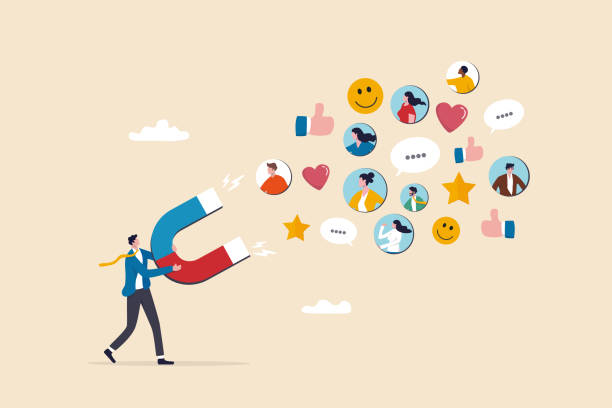
Media Consumption Habits, I recall how I sat in the living room of my grandmother in the early 2000s, and she would go through only five TV channels. It was consecrated time, the evening news at 7 PM, no one called, no one disturbed. Even that rite is nearly obsolete today because I am typing this with Netflix in the background, a podcast in my earbuds, and three open browser tabs with articles that I will likely never read to the end.
The change in media consumption did not come overnight and going by the history of it, it has been revolutionary. Having learned about audience behavior over the course of almost ten years and having collaborated with content creators, I have seen these changes happening in the real-time, and frankly, I have been shocked by them.
The Revolution of Streaming Made It All.
The truth is that streaming sites essentially rewired our beliefs regarding the availability of content. Do you remember building on the air time of a particular show all your evening? My wife and I would rush home after having dinner and watch the episodes of the favorite series. Today, the notion of appointment viewing seems nearly ridiculous to those who are below 25 years.
The figures speak volumes. The typical American household has four or more streaming subscriptions, and spends about 50-60 dollars a month on streaming content on its own. That is a major change to the cable-driven age where a single bundle package was the order of the day.
The Emergence of Snackable Content.
Video in short form has become an explosion that even industry veterans were not expecting. TikTok popularized the 60-second story format and other applications quickly emulated it with Reels, Shorts, and other similar options.
What impresses me is the generation gap in this case. My teenage nephew spends several hours a day viewing material but hardly spends more than three minutes on content. In the meantime, though, I do like documentary movies and long-term journalism. There is no right or wrong to either of the approaches though they represent two different economies of attention.
This disintegration poses fascinating problems to the producers of content. One of my friends, who is a filmmaker, recently explained to me that she starts thinking in both variations now: the 90-minute feature to be released in theaters and dozens of micro clips to promote on social networks. It is not sufficient anymore, I said to her, to use the trailer. A complete ecosystem of pieces of content is required.
The unexpected renaissance of the audio Content.

There has been an incredible rise in podcasts and audiobooks and I have been on the first hand witness of this change. When I used to travel to work some years ago, I could only listen to radio. I am currently listening to three podcast series, depending on my moods and the state of traffic.
The closeness of audio makes it impossible to duplicate on television and text. Another type of relationship is a parasocial one, when you listen to the same voices in your ears every week. I consider I am even more familiar with certain podcast hosts than with real-life people, which is a bit disturbing when I reflect on it too hard.
The War of the Attention Economy.
All the platforms, all the creators, all the media firms are vying against each other in the same scarce resource, our attention. An average individual is now exposed to thousands of pieces of content on a daily basis and our brains were not created to handle this onslaught.
I have observed that there have been changes in my behavior that worrying to me. My concentration abilities on long-form content have significantly reduced in the last five years. It takes me more time to read books. Even movies seem like obligations. I find myself picking up my phone when watching the dull moments of the movie – something that would have been considered rude and weird ten years ago.
Personalization: Blessing and Curse.
Discovery has changed with algorithmic recommendations, which cause disturbing filter bubbles. The material I read is completely contrasting to that which my neighbor reads on the same platforms.
On the one hand, customization presents truly captivating content that I would not have benefited from otherwise. Competitive cup stacking will be the subject of a documentary? Would never have sought it out, though the algorithm was very aware that I would watch the entire piece.
Conversely, such systems tend to focus on interactions rather than quality or accuracy. Sensational material is popularized since it can make clicks, regardless of whether this material is true or valuable. I have seen intelligent, smart friends go into rabbit holes of more and more extreme content, nourished by algorithms that recompensed their interaction with more of the same.
The Social Layer of Media
The act of content consumption has become so social to an extent that it was not possible in earlier generations. We do not merely watch shows, but talk to our friends about them in real time on social media, recap, create memes, and engage in fan communities.
Such shared experience can make enjoyment even better. Other moments that were most memorable to me in media were live-tweeting season finales with thousands of strangers. It is REAL community that is constructed using the same cultural experiences.
This also puts pressure on consuming, however. To avoid spoilers, the only choice that is needed is either to view it immediately or avoid social media altogether. Water-cooler conversation is now occurring immediately, everywhere around the globe and on a permanent basis online.
Looking Ahead
The process of media consumption is going to tend in the same direction, and it is challenging to predict particular shifts. However, there are some trends that appear to have some staying power: the personalization trend, shorter content that one can absorb on the go, higher-quality long-content that people can watch in their leisure and continue to contest the duration of attention.
It is not about a particular platform or format that I am most worried about but our relationship to media saturation as a group. It takes deliberate effort to strike this balance between connection and overwhelm between informed and overloaded that many are not making.
Frequently Asked Questions
What are the number of hours that people spend in media consumption?
The average adult spends about 7-8 hours a day on different media such as streaming, the social media, podcasts, reading, and it is often all at the same time on several devices.
Why is the trend moving away to streaming?
The main factors are flexibility, cost control and on demand access. People are not ready to watch the shows at the specific timetable, preferring to select their viewing options and the time.
Is attention actually decreasing in size?
It is proposed that it is more difficult to maintain focus, but it is unclear as to whether this has been a long-term trend or merely an adaptive behavior as cognitive scientists continue to argue.
What is the role of algorithms on what we are consuming?
Recommendation algorithms customize content streams based on previous behavior, and they frequently make filter bubbles that restrict exposure to a variety of views and fill as many interactions as possible.
Is the traditional television becoming unwell?
Not entirely. Traditional broadcasting is still played through live sports, news events, and some demographics, but the general viewership is still dwindling up to the youth.
What can I do to improve my more healthy media consumption practices?
Limiting, turning off auto-play options, scheduling screen-free time, and actively finding other sources of content can be used to establish more moderate consumption habits.

Post Comment