The Future of Media: How Technology, Trust, and Transformation Are Reshaping How We Consume Information

Future of media, I have been witnessing an era of fifteen years in which media has been transformed by the press of printed newspapers to the algorithmic feeds that are delivered to each user based on their specific knowledge. The most notable thing is not merely the technological change but the overhauling of the human relationship with information, entertainment and even each other through the media tools.
It is not merely a digital augmentation of traditional media that we are going into. It is something completely new, and it takes one to observe more beyond the apparent trends to know where it is heading.
The Fragmentation Age that we are living in.
Do you remember the time when people all watched the same evening news? My parents continue to discuss how they gathered on the TV to watch Walter Cronkite. That experience provided a basis of unity–some sort of recognition of what was happening which carried beyond the political or social line.
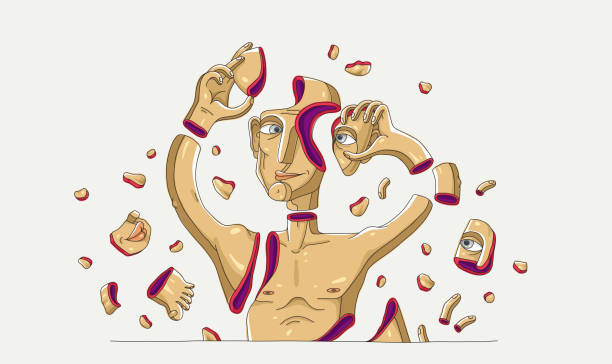
My morning media diet and that of my neighbor have nothing in common nowadays. I could scroll an edited news app, listen to podcast bits on my way to work and read headlines in social media posts. My neighbor can be a person who only watches cable news or uses YouTube creators as the main media sources. We live in the same society but in totally different information universe.
This disintegration is not bad or good per se, it is merely the reality that media companies face. The future lies with those organizations that may establish significant relationships in smaller and more responsive communities instead of pursuing the mass audiences that no longer exist in the traditional meaning of that term.
Creator Economy: The New Force That Took No One by Surprise.
At the time that I began writing about the trends in media, I considered the notion of individual creators outcompeting large networks to be unbelievable. Independent podcasters are now routinely playing their own radio stations better than traditional radio stations. Youtube channels created in spare bedrooms are competing with the productions supported by millions of dollars of corporate investment.
The creator economy has essentially upset the gatekeeper system that characterized media in more than a century. The publishing houses, television channels, and newspaper editors used to determine what people should view. That authority has spread itself through the mouths of millions of men.
This is a shift that has far reaching consequences. Authenticity has been turned into money. Consumers, especially the younger generations, are able to smell the slickness of corporate communication even a mile distant. Instead, they are drawn to artists who seem authentic, even flawed, people who express their real views not talking points that have been the result of a focus group.
It is the Content Flood and Artificial Intelligence.
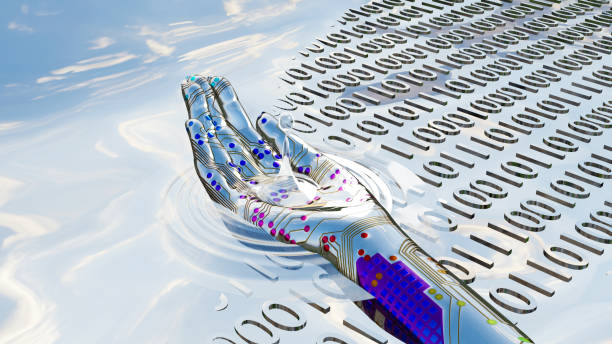
We are already being flooded with content and that flood is becoming more and more overwhelming. It is now possible to create articles, images, videos and audio on automated systems with scales hitherto unimaginable. This brings about opportunities and great fears to the future of media.
The chance is in the individuality and effectiveness. Media companies can also theoretically deliver more niche content to niche audiences without spending relative resources on it. The hyperlocal coverage would bring new life to local news which has been ruined over the last twenty years by losing advertising revenue due to technology.
The concern centers on trust. And once viewers are not able to draw a line between journalism produced by humans and artificial content, the whole system of media credibility is under existential threat. I have talked with editors who are very concerned with the issue of verification in this setting. What do you do when the evidence may be fabricated?
Monetization Puzzle and Subscription Fatigue.
The media has broken the advertising model that supported it over the centuries. Advertisements in digital landscape are concentrated on large technology platforms and not content creators. Publishers countered it with creating paywalls and subscription services.
Now we’re hitting saturation. The typical household cannot subscribe to all the newspapers, streaming channels, and high-quality content suppliers that are competing to get attention. Something has to give.
I anticipate that consolidation and bundling will be among the major solutions. Similar to the cable packages that included several channels, digital media packages will probably bring together content of more sources in single subscriptions. One of the publications will also move to micropayment systems whereby the readers will be able to buy single articles as opposed to subscribing to the entire publication.
Faith: The Richest Commodity in Media to come.
My every interview with media people always comes round to the question of trust. Polls continue to indicate a confidence drop in the traditional media institutions along political lines. The re-establishment of that trust is the most urgent issue in the industry.
What works? Openness to practices, admission of flaws, and sincerity to the concerns of the audience. Newspapers and other publications that are transparent about their reporting procedures, sources of funding, and editorial judgment are more likely to have better relationships with their audience than ones who do this with institutional secrecy.
The case of local journalism presents a very intriguing example. Accountability is personal when the reporters who are covering the communities live within the communities covered, when the readership can meet the journalists at the grocery stores, school events. These dynamics may teach national media to find means of shortening the apparent gap between newsrooms and audiences.
What Comes Next
The 2030 media environment will most probably be a radically different one. New storytelling possibilities will be generated with the help of immersive formats such as virtual and augmented reality. Voice interfaces will transform the way the audience discovers and consumes content. The entertainment and information line will remain indistinct.
However, there are some basics that will not change. Human beings need to be connected, comprehend, and read stories that enable them to make sense of complicated worlds. The technologies vary; the ones behind needs remain unchanged.
The media houses that do not forget that they are dealing with human beings and not making content will survive. The tendency of treating audiences like data points in a bid to monetize them will continue to make it difficult to remain relevant.
Frequently Asked Questions
What do you think is the greatest threat to the traditional media?
Trust degradation and loss of advertising revenue has spawned existential crisis on the traditional outlets compelling reinvention of the basic business model.
Will print media go out of business?
Unlikely in the near term. Print will proceed to reduce but will probably stay afloat as a high-end product to loyal consumers who would buy physical versions.
What is the difference in the way younger generations are consuming news?
Younger demographics are more likely to use social media, short form video content and creator-based content at the expense of a traditional broadcast or print medium.
Is local journalism dying?
Local journalism has endured great losses and is beginning to see a way out by coming up with nonprofit models, community funding and technology which makes local coverage economically viable.
How will subscription models be used in the future of media?
Subscriptions will be significant but will probably develop into bundles and micropayments as the audience will not prefer having different subscriptions.
What can media companies do to restore the trust of the audience?
Honesty, accuracy, authentic involvement of the local community and responsibility of mistakes are the main channels of restoring lost credibility.



Post Comment